Bacuri
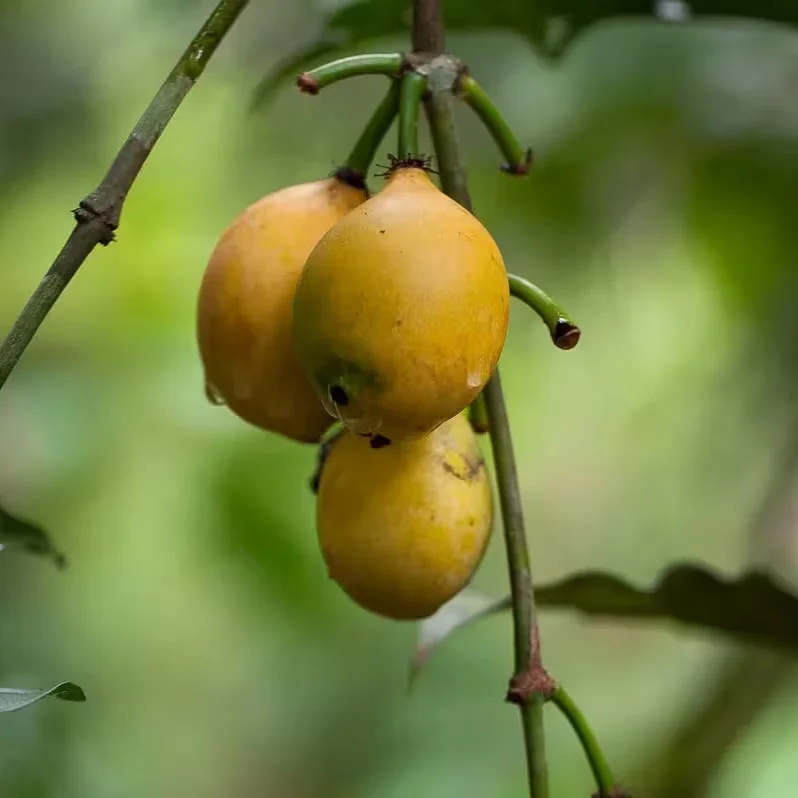
Bacuri is a tropical Amazonian fruit with thick yellow skin and soft, aromatic white pulp that tastes sweet, tangy, and richly tropical.
About Bacuri
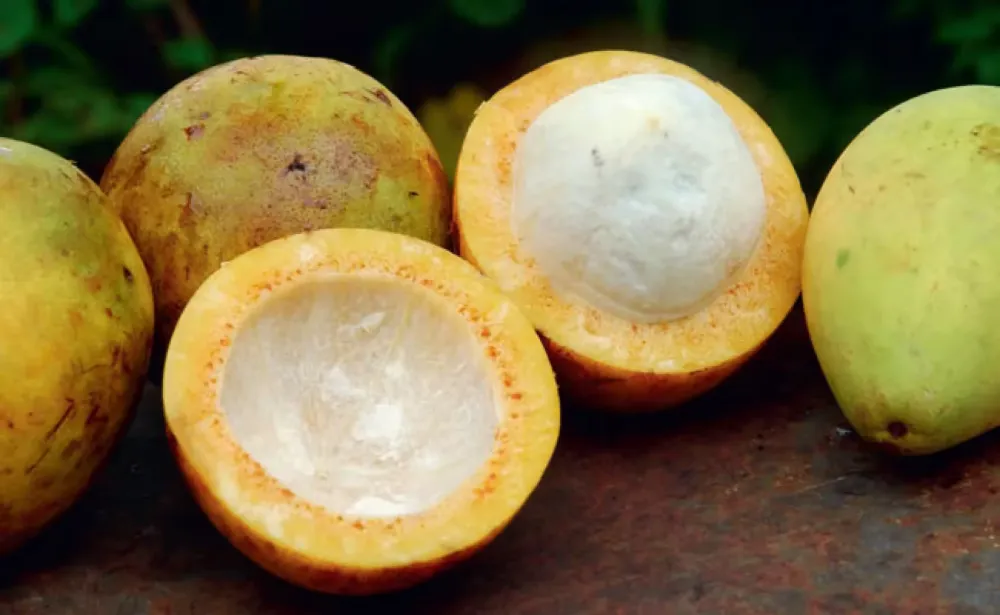
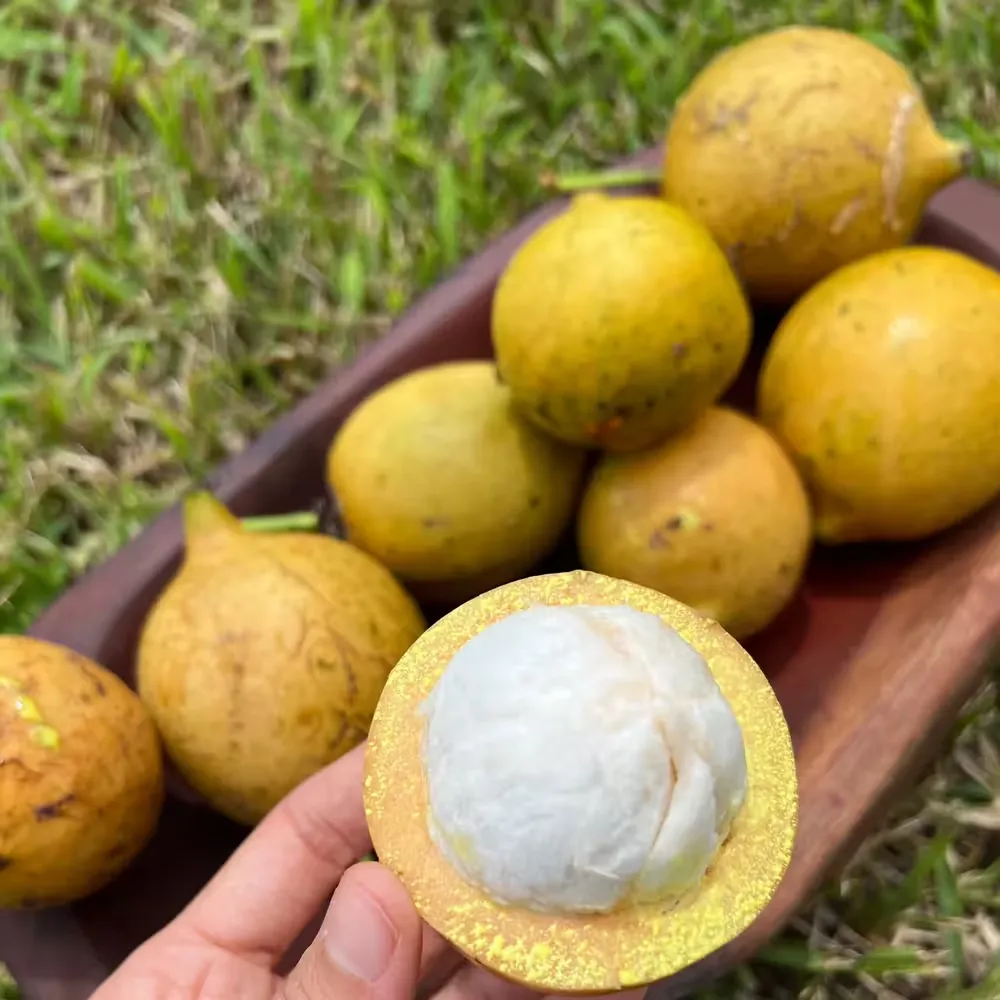
Bacuri (Platonia insignis) is a cherished fruit native to the Amazon rainforest, especially in Brazil’s Pará and Maranhão regions. Recognizable by its thick, leathery yellow rind and large round-to-oval shape, bacuri contains a creamy, aromatic white pulp that is highly prized for its intense tropical flavor. The pulp is soft, juicy, and fragrant, offering a rich combination of sweetness and bright acidity with hints of caramel, mango, and citrus. Because of its strong aroma and bold flavor, bacuri is widely used in Brazilian cuisine, particularly in desserts. The pulp is commonly blended into ice creams, mousses, jams, pastries, juices, and liqueurs. Despite its thick exterior, the fruit contains only a few large seeds surrounded by the edible pulp, making it easy to process once opened. Bacuri grows on tall, slow-maturing Amazonian trees that can take many years to bear fruit, which contributes to its reputation as a prized delicacy. The trees thrive in humid tropical climates with abundant rainfall. Harvest season typically extends through the rainy months, with ripe fruits naturally falling to the forest floor. Ripeness is indicated when the tough rind turns fully yellow and begins to show natural cracks. The edible pulp inside has a creamy texture and a rich scent that intensifies as the fruit ripens. Bacuri is also nutritionally valuable, offering fiber, antioxidants, calcium, and phosphorus. With its unforgettable aroma, velvety texture, and sweet-tart tropical taste, bacuri stands out as one of the Amazon’s most distinctive and culturally significant fruits.
Gallery
Seasonality
Growing Regions
Categories
Characteristics
Scientific Name
Platonia insignis
Colour
Texture
Calories
44 per 100g
Taste Profile
Ripeness Indicators
Thick rind turns deep yellow and may crack naturally; pulp releases a strong, sweet tropical aroma.
Edible Parts
Creamy white pulp surrounding the seeds is edible; rind is not consumed.
Related Fruits
Abiu
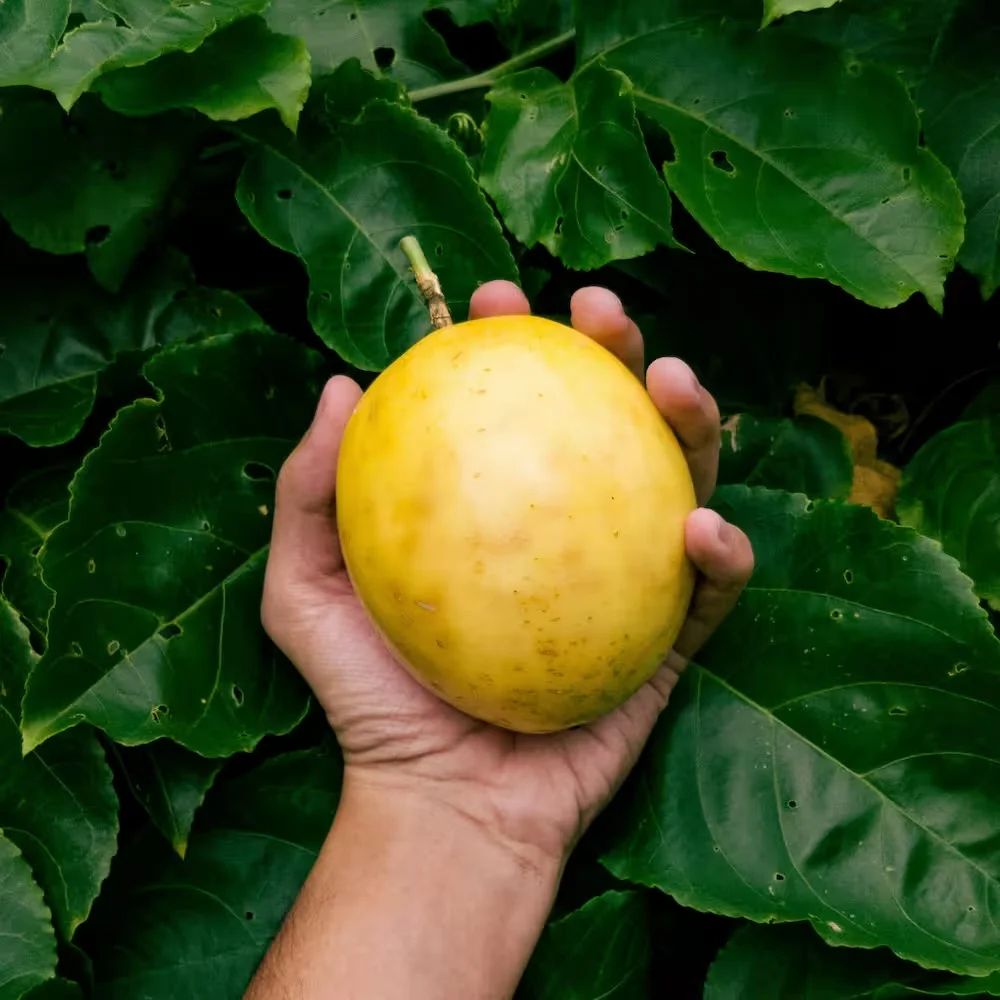
A bright yellow tropical fruit from the Amazon, abiu is prized for its sweet, creamy, jelly-like flesh with a caramel-custard flavor.
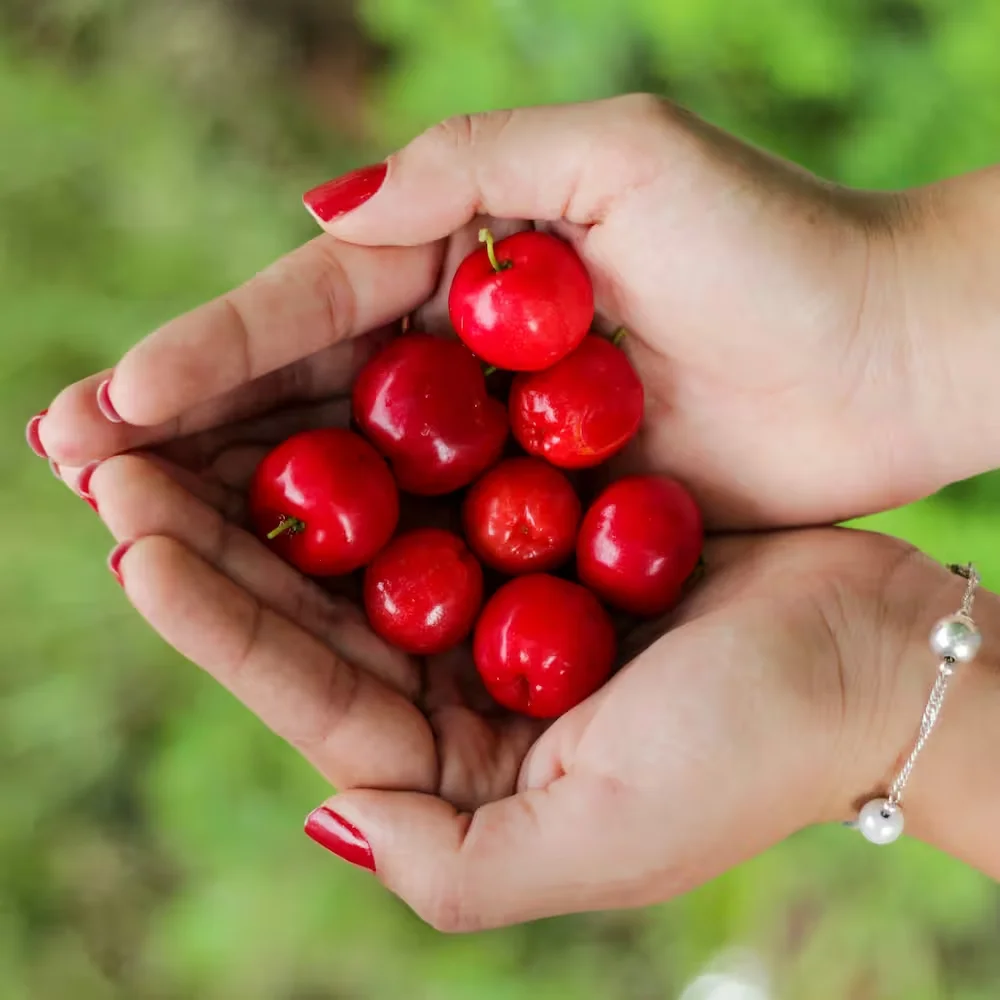
Acerola
Acerola is a bright red tropical berry famous for its intense vitamin C content, offering a sweet-tart flavor perfect for juices and supplements.

Ackee
Ackee is a tropical fruit with bright red pods and creamy, yellow flesh; it must be carefully prepared as unripe parts are toxic.