Bael
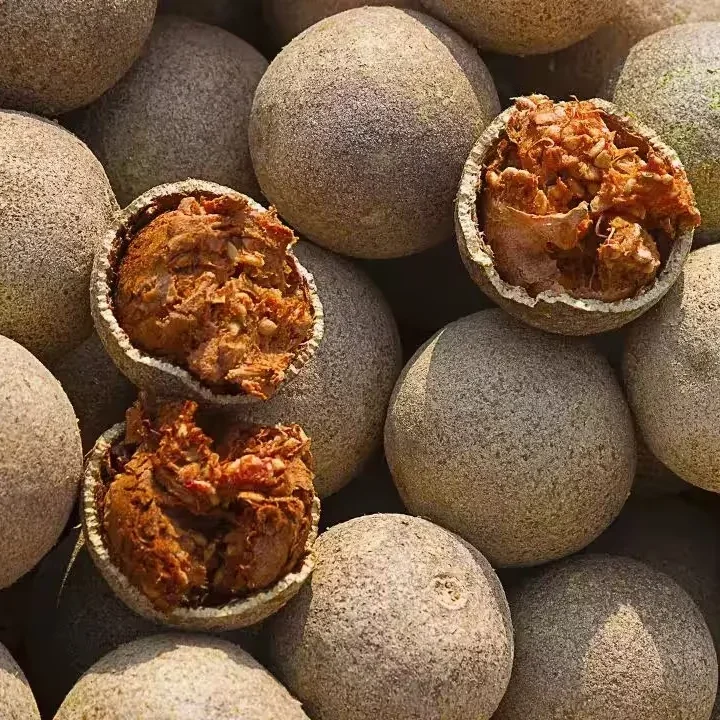
Bael is a fragrant tropical fruit with hard shells and aromatic sweet-tart pulp, valued for its flavor, nutrition, and traditional Ayurvedic uses.
About Bael
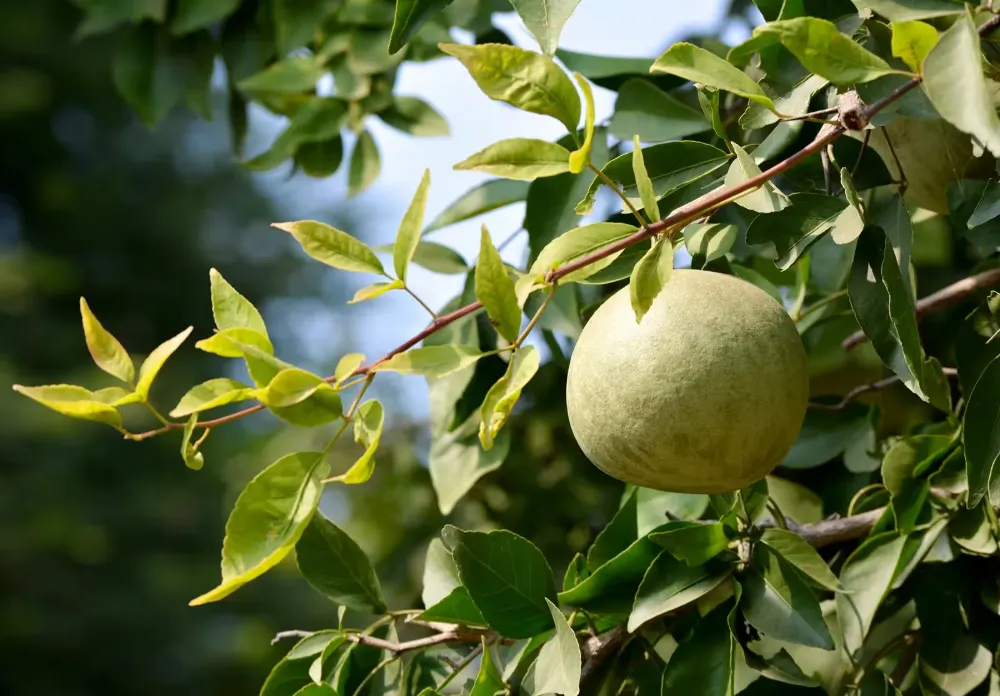
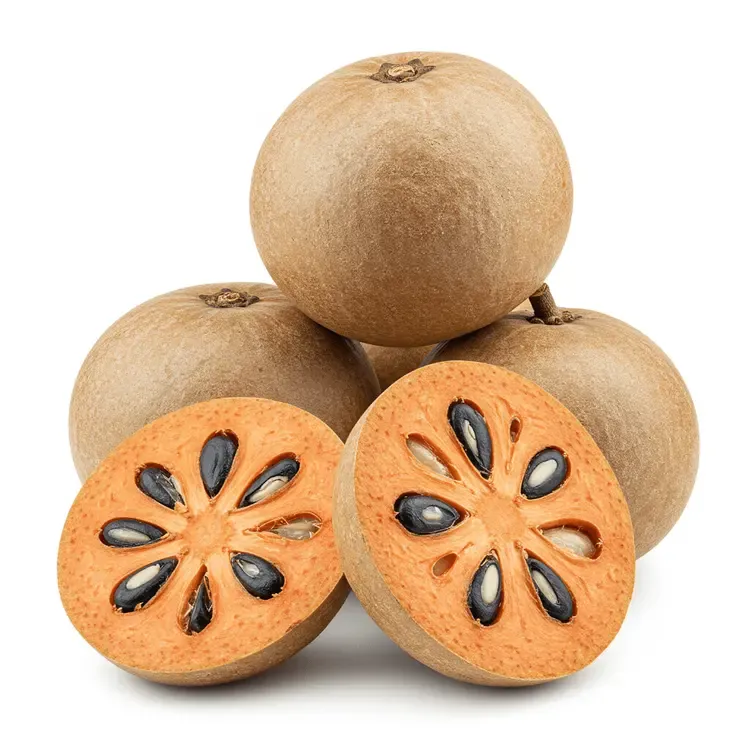
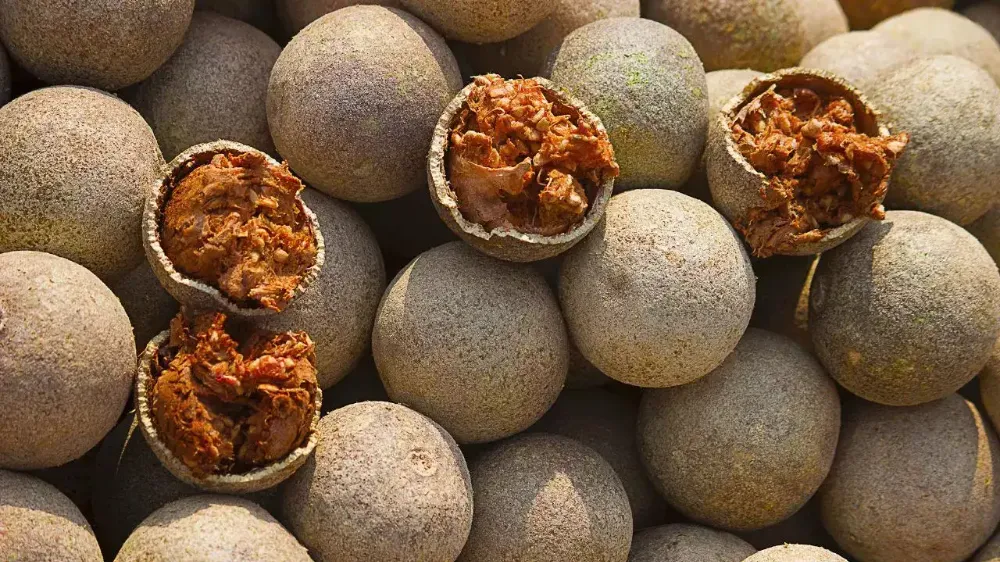
Bael (Aegle marmelos), also known as Bengal quince, wood apple, or bilva, is a highly valued fruit native to India and widely found across South Asia and Southeast Asia. It is easily recognized by its extremely hard, woody shell—so tough it often requires a hammer or heavy knife to crack open. Inside, the fruit contains a rich, aromatic pulp ranging from golden to deep orange, filled with natural sweetness and gentle tart notes. Bael has been cherished for thousands of years, both as a flavorful fruit and as an important plant in Ayurvedic and traditional medicine. The pulp is typically eaten fresh, mixed with water to create a refreshing drink, or used in jams, sherbets, and desserts. Its flavor combines sweetness, subtle citrus tones, and an earthy aroma that intensifies as the fruit ripens. The fruit is highly nutritious, providing fiber, vitamin C, antioxidants, and beneficial plant compounds that support digestion. Bael drinks are particularly popular during hot seasons because of their cooling properties and hydrating qualities. Bael trees thrive in warm tropical and subtropical climates and are exceptionally hardy—they tolerate drought, poor soils, and high temperatures, making them a culturally and ecologically important species. The fruit ripens slowly, and its readiness is often judged by the mature yellow-brown color of the shell. Ripeness is evident when the shell shows a uniform brownish-yellow color and emits a gentle fruity aroma. Only the soft inner pulp is eaten; the outer shell and seeds are discarded. With its distinctive flavor, resilience, and deep cultural significance, bael remains one of the most iconic fruits of the Indian subcontinent.
Gallery
Seasonality
Growing Regions
Categories
Characteristics
Scientific Name
Aegle marmelos
Colour
Texture
Calories
44 per 100g
Taste Profile
Ripeness Indicators
Shell turns yellow-brown, becomes slightly aromatic, and cracks more easily; pulp softens and deepens in color.
Edible Parts
Only the soft inner pulp is edible; remove seeds and discard the hard outer shell.
Related Fruits
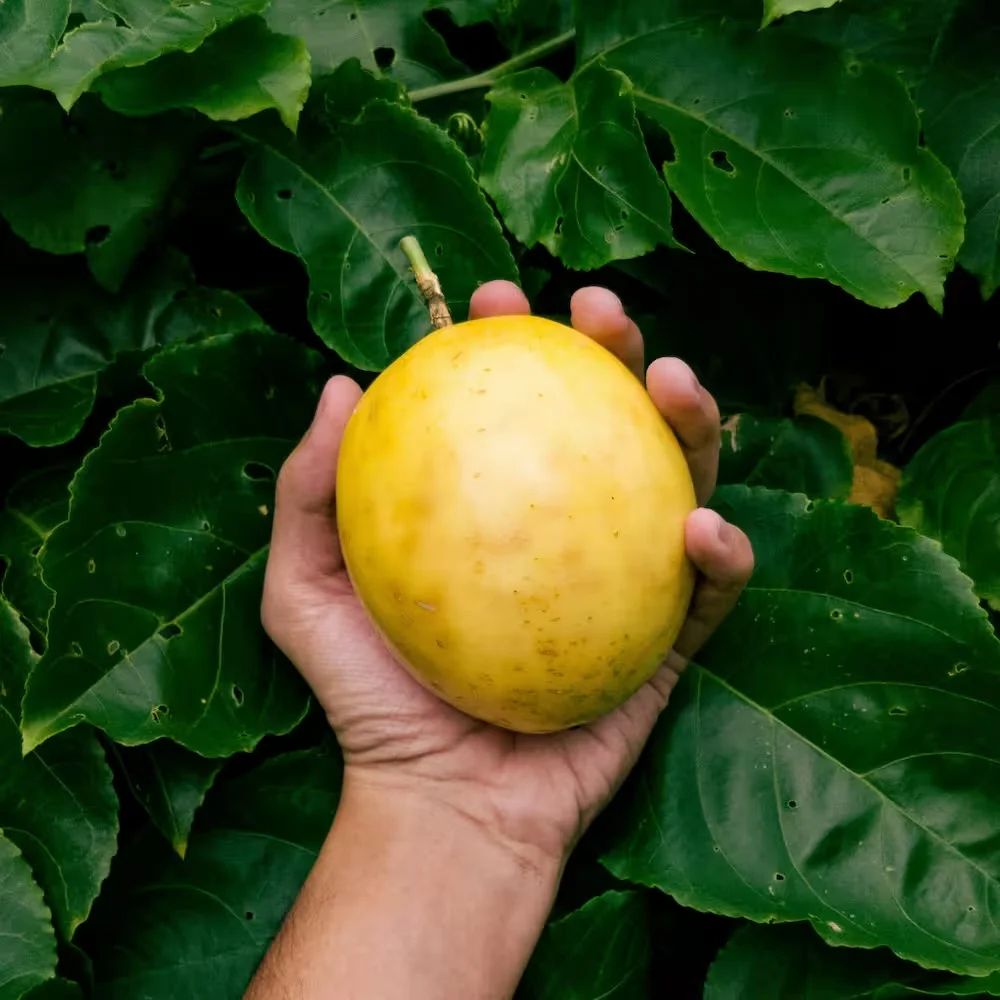
Abiu
A bright yellow tropical fruit from the Amazon, abiu is prized for its sweet, creamy, jelly-like flesh with a caramel-custard flavor.
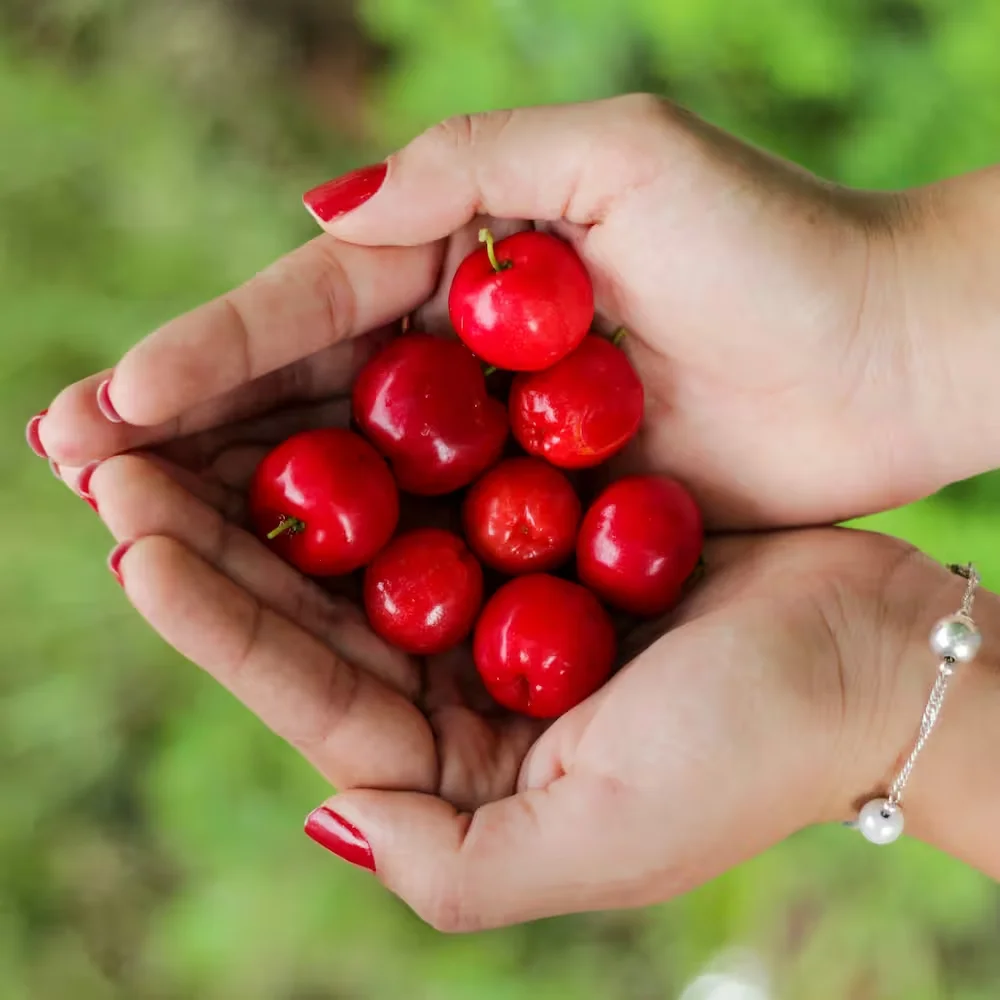
Acerola
Acerola is a bright red tropical berry famous for its intense vitamin C content, offering a sweet-tart flavor perfect for juices and supplements.

Ackee
Ackee is a tropical fruit with bright red pods and creamy, yellow flesh; it must be carefully prepared as unripe parts are toxic.