Banyan Fig
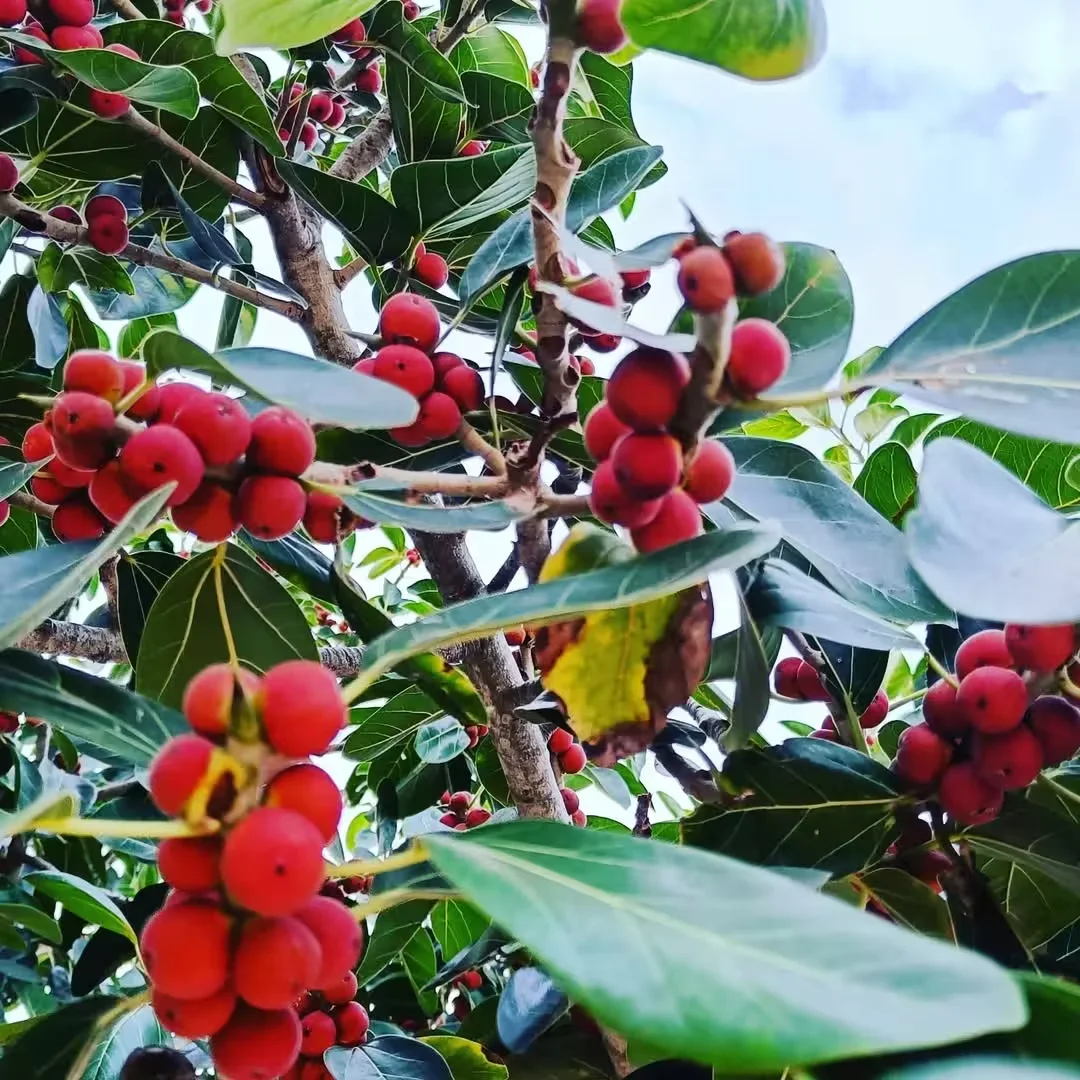
The banyan fig fruit is are small red-purple figs from the banyan tree, mildly sweet and often eaten by wildlife more than humans.
About Banyan Fig
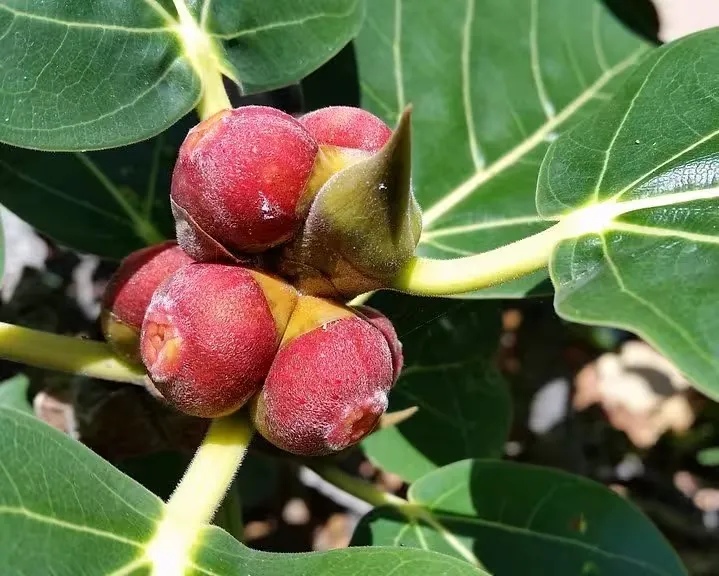
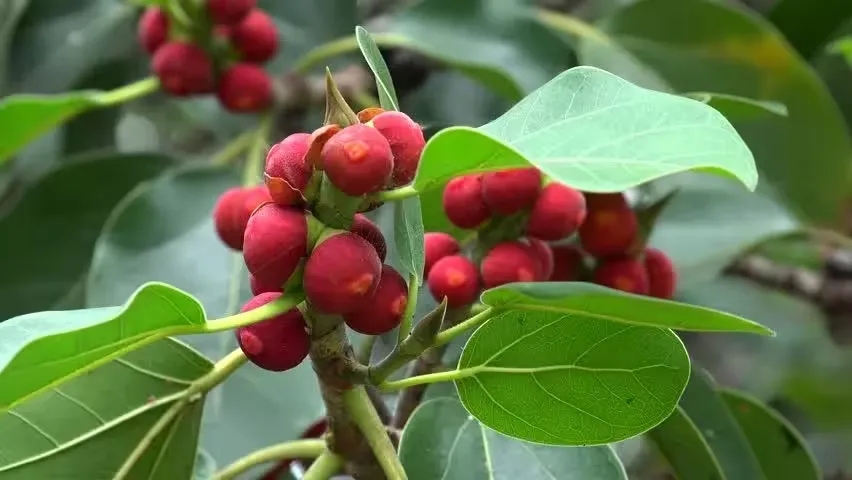
The banyan fig is the small, berry-like fruit produced by the Ficus benghalensis tree, one of the largest and most iconic fig species in the world. While not commonly eaten by humans, these tiny figs play an important ecological role across tropical Asia, where they serve as a critical food source for birds, monkeys, bats, and other wildlife. The fruit grows in clusters along the branches and trunk, starting green before ripening to shades of red, maroon, or deep purple. Banyan figs are technically edible and share similarities with other figs in the Ficus genus, but their flavor is generally mild, slightly sweet, and sometimes astringent. The flesh is soft with numerous tiny seeds inside, and the overall taste is less rich than common edible figs such as Ficus carica. Because of their subtle flavor and small size, they are rarely eaten fresh and are more often used in traditional remedies or consumed incidentally when gathered by foraging communities. Nutritionally, banyan figs contain dietary fiber, small amounts of minerals such as calcium and potassium, and antioxidants typical of fig species. In Ayurvedic practices, parts of the banyan tree—including the fruit—have long been used for digestive and general wellness applications. Though not a commercial food crop, banyan figs are culturally important due to the significance of the banyan tree itself, which is revered in India and several other countries. The fruit supports entire ecosystems and is valued more for its environmental contribution than its culinary use.
Gallery
Seasonality
Growing Regions
Categories
Characteristics
Scientific Name
Ficus benghalensis
Colour
Texture
Calories
44 per 100g
Taste Profile
Ripeness Indicators
Ripe fruits turn from green to red or deep purple and feel soft when gently pressed. Clusters may attract birds or bats, a sign of peak ripeness.
Edible Parts
The soft inner flesh and seeds are edible. The skin is also edible but slightly astringent. Latex from unripe fruit should be avoided.
Related Fruits
Abiu
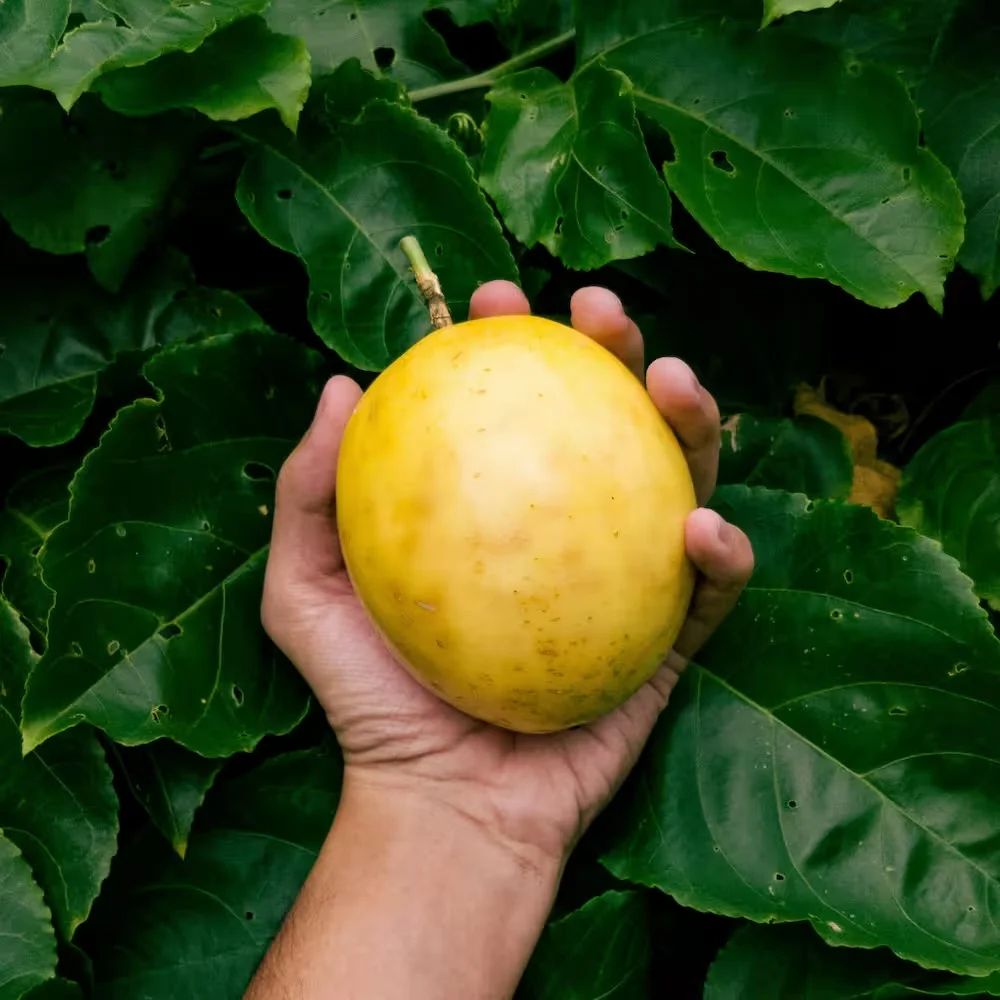
A bright yellow tropical fruit from the Amazon, abiu is prized for its sweet, creamy, jelly-like flesh with a caramel-custard flavor.
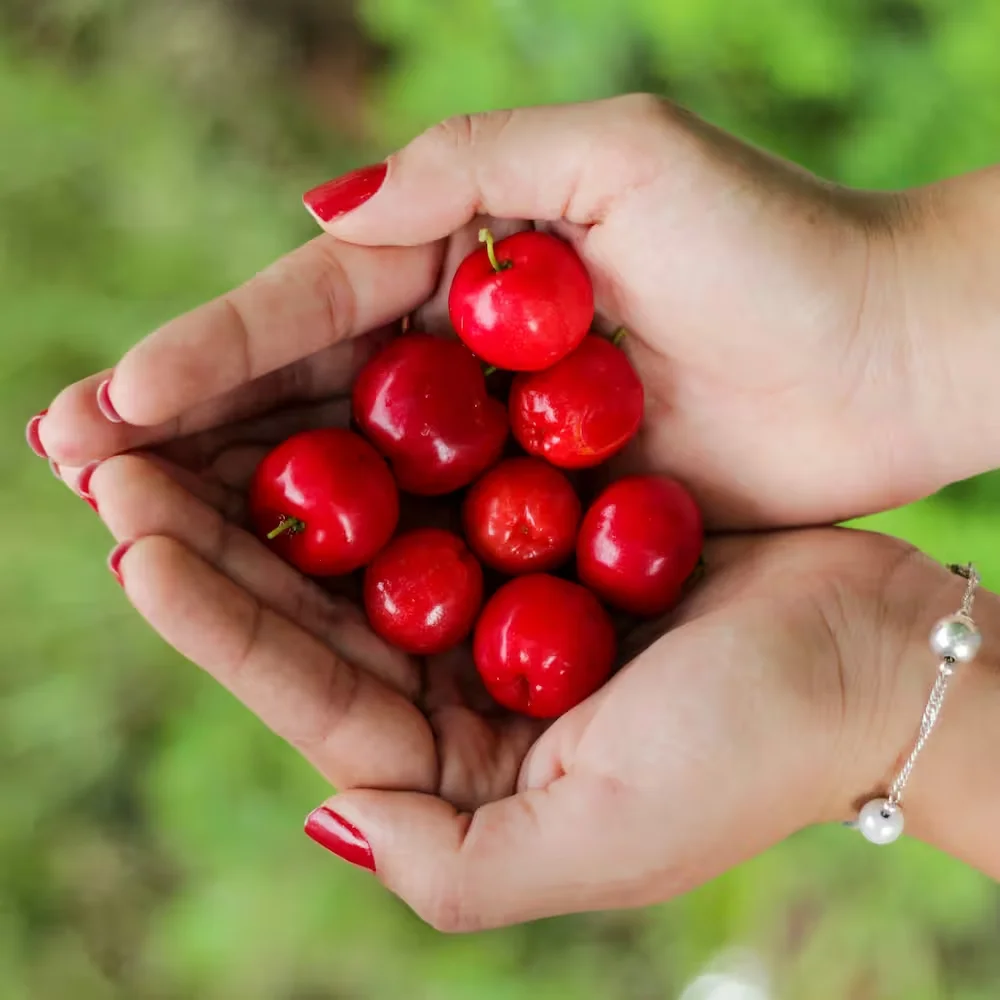
Acerola
Acerola is a bright red tropical berry famous for its intense vitamin C content, offering a sweet-tart flavor perfect for juices and supplements.

Ackee
Ackee is a tropical fruit with bright red pods and creamy, yellow flesh; it must be carefully prepared as unripe parts are toxic.