Karela (Bitter Gourd)
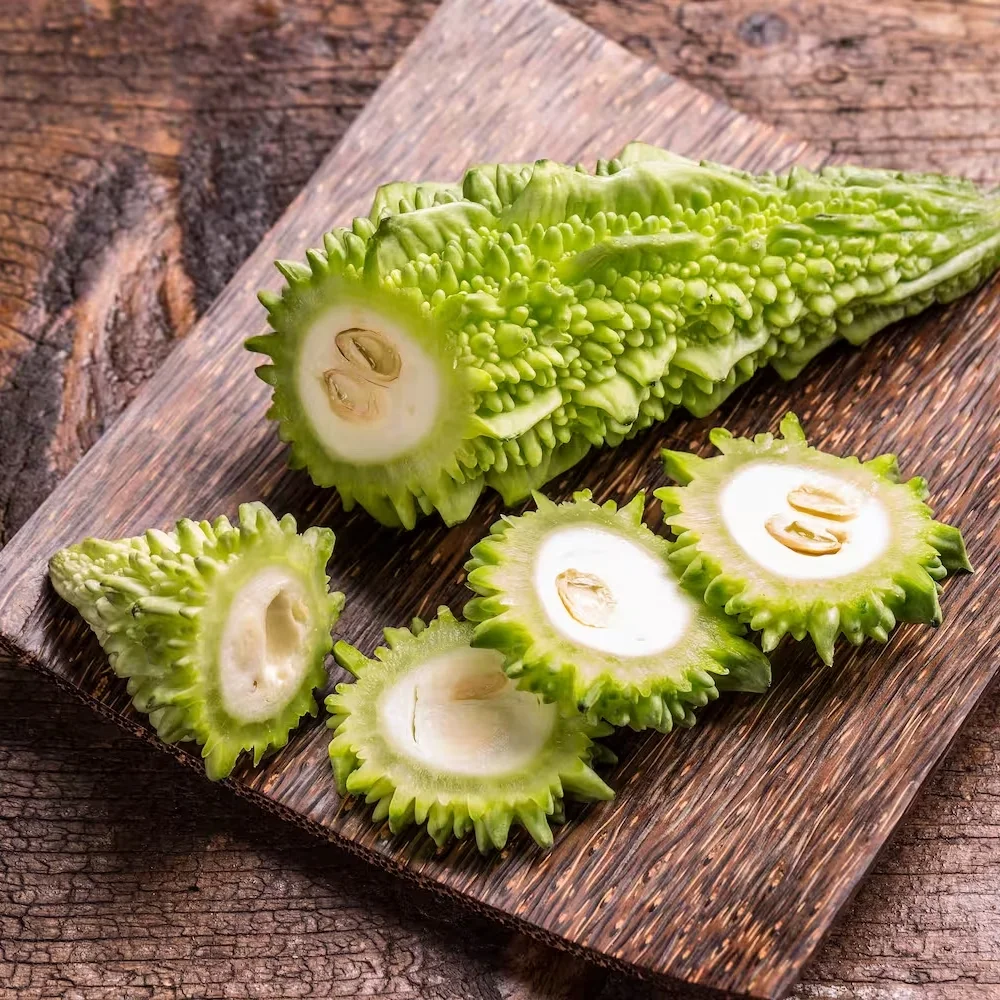
Karela, or bitter gourd, is a tropical fruit known for its bumpy green skin and strong bitter taste, valued for cooking and traditional wellness uses.
About Karela (Bitter Gourd)
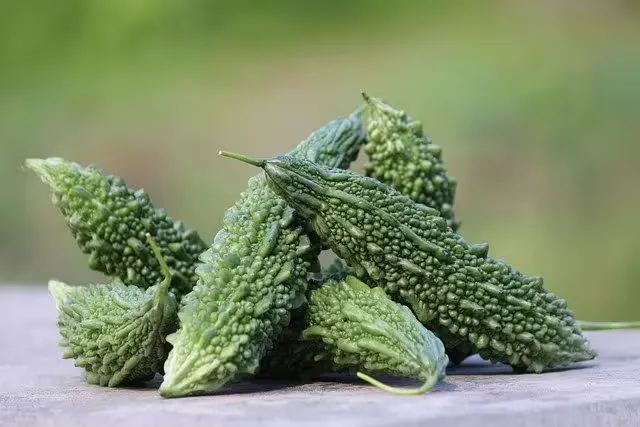
Karela, also known as bitter gourd, bitter melon, or Momordica charantia, is a uniquely flavored tropical fruit widely used across Asia, Africa, and the Caribbean. Although treated as a vegetable in cooking, it is botanically a fruit. Karela is easily recognized by its elongated, ridged shape and deeply textured, warty green skin. The color ranges from bright green when young to yellow-orange as it ripens. Its defining characteristic is its intense bitterness, which becomes more pronounced as the fruit matures. Despite this, karela is highly valued in culinary traditions for the depth of flavor it brings to savory dishes. It is commonly stir-fried, stuffed, sautéed, curried, or added to soups, often with spices, aromatics, and salt to balance the bitterness. Beyond its culinary uses, karela has deep roots in traditional medicine, especially in Ayurveda and Chinese herbal practices. It contains bioactive compounds believed to support metabolism, digestion, and overall wellness. Karela is also low in calories and rich in vitamin C, fiber, potassium, and antioxidants. Karela thrives in hot, humid climates and is widely cultivated in India, China, Southeast Asia, and tropical regions worldwide. Harvesting typically occurs while the fruit is still green and firm, as this stage provides the best texture and most balanced flavor for cooking. Ripeness indicators vary by use: for cooking, choose firm, bright-green fruits; for sweeter, softer pulp, allow the skin to turn yellow-orange and split slightly. Only the green flesh and seeds (when young) are edible. Mature red seeds should be avoided. With its bold flavor and cultural significance, karela remains an iconic tropical fruit used in both kitchens and traditional wellness practices.
Gallery
Seasonality
Growing Regions
Categories
Characteristics
Scientific Name
Momordica charantia
Colour
Texture
Calories
44 per 100g
Taste Profile
Ripeness Indicators
Unripe: bright green, firm, and crisp. Ripe: skin turns yellow-orange and may split, revealing red arils.
Edible Parts
Flesh and young seeds are edible; avoid mature red seeds.
Related Fruits
Abiu
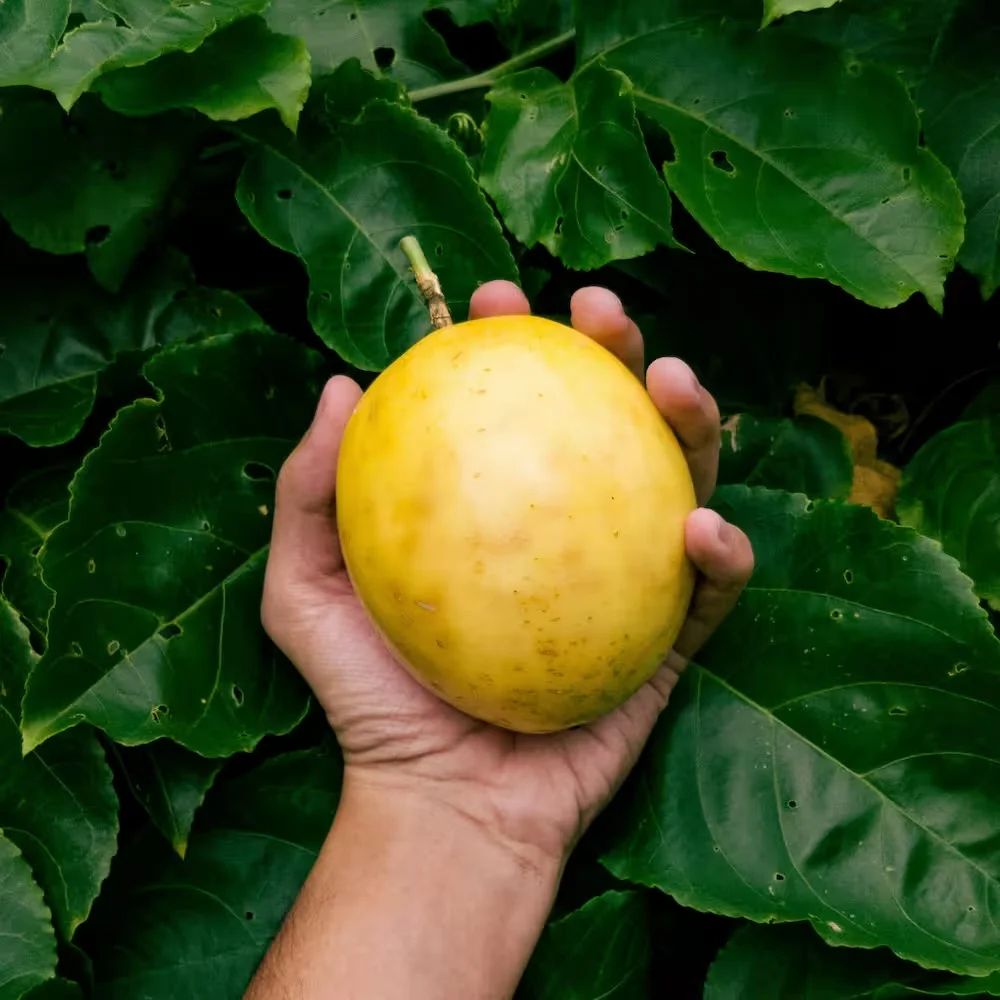
A bright yellow tropical fruit from the Amazon, abiu is prized for its sweet, creamy, jelly-like flesh with a caramel-custard flavor.
Acerola
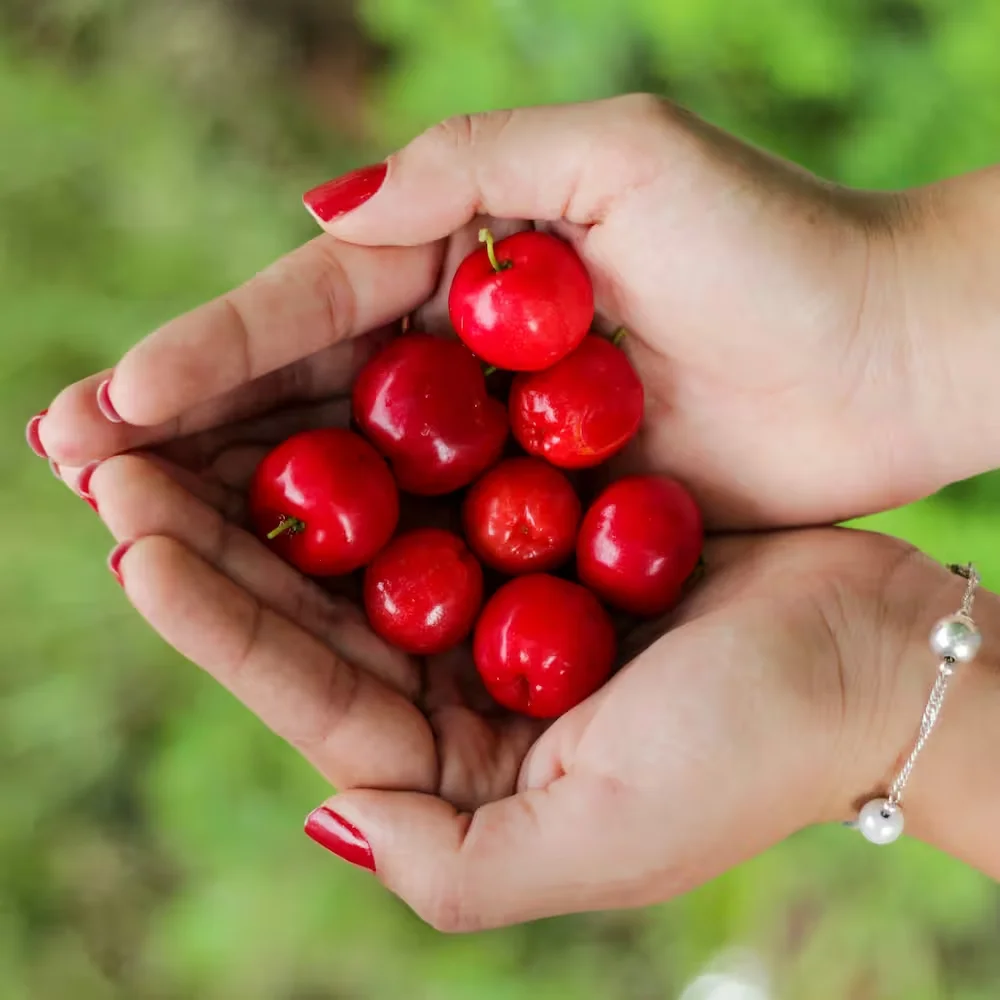
Acerola is a bright red tropical berry famous for its intense vitamin C content, offering a sweet-tart flavor perfect for juices and supplements.

Ackee
Ackee is a tropical fruit with bright red pods and creamy, yellow flesh; it must be carefully prepared as unripe parts are toxic.