Ashwagandha berry
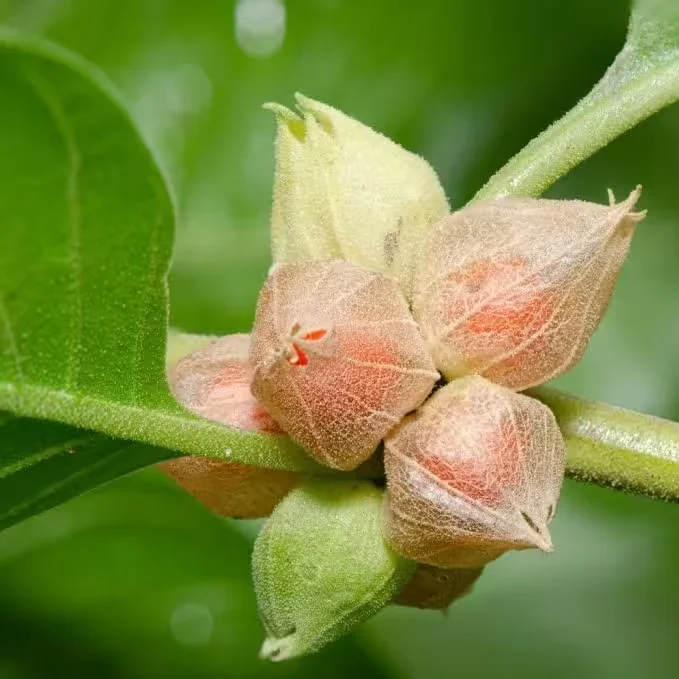
Ashwagandha is a small red berry used in traditional medicine, known for its earthy flavor, adaptogenic properties, and nutritional benefits.
About Ashwagandha berry
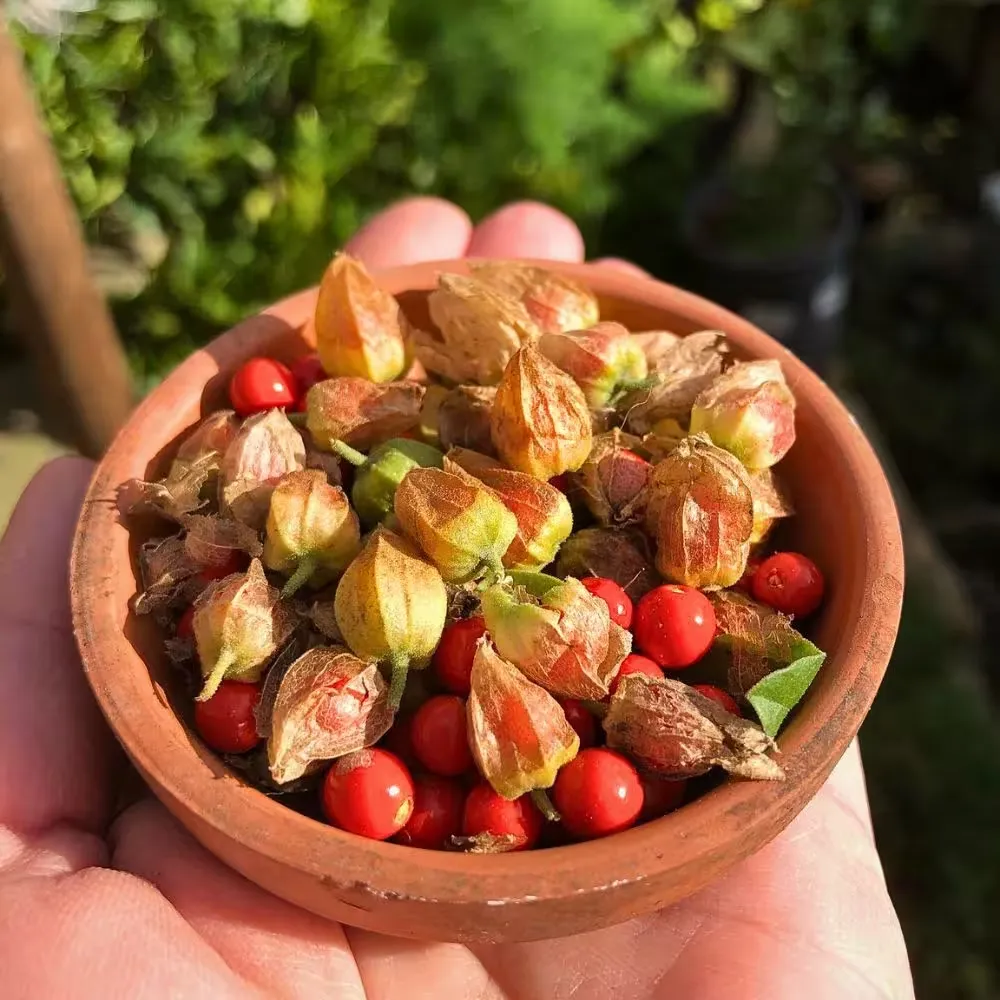
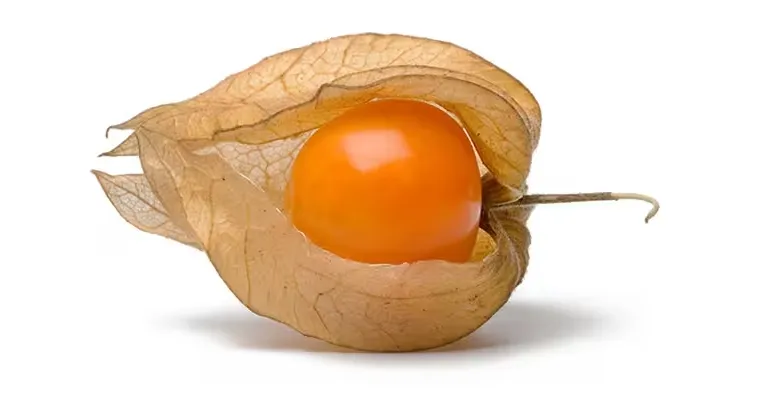
Ashwagandha (Withania somnifera), also called Indian ginseng or winter cherry, is a small fruit-bearing plant native to India, the Middle East, and parts of Africa. The plant produces small, bright red berries enclosed in papery husks, which appear during the late summer and fall months. While primarily cultivated and used for its roots in herbal medicine, the berries are also edible and contain a variety of bioactive compounds, including antioxidants, alkaloids, and flavonoids. Ashwagandha berries have a unique, earthy flavor that is slightly bitter but can be incorporated into teas, tinctures, and powdered supplements. Traditionally, these berries are dried and used in ayurvedic formulations to promote vitality, reduce stress, and support overall well-being. Though less commonly consumed fresh due to their strong taste, the berries are an integral part of the plant’s medicinal profile. The plant thrives in dry, sandy soils and is drought-tolerant, making it easy to cultivate in arid climates. Ripeness is indicated when the papery husks enclosing the berries turn a pale beige or yellow, and the small red berries are fully visible and firm. While the seeds inside are generally not consumed, the pulp of the berry is sometimes used in preparations. Ashwagandha’s combination of adaptogenic benefits, nutritional compounds, and traditional significance makes it a valuable fruit in both culinary and medicinal contexts. Its earthy flavor, bright color, and health-promoting properties distinguish it as a unique addition to herbal fruit guides and specialty markets.
Gallery
Seasonality
Growing Regions
Categories
Characteristics
Scientific Name
Withania somnifera
Colour
Texture
Calories
43 per 100g
Taste Profile
Ripeness Indicators
Berries are ripe when the papery husks turn beige or yellow and the small red fruit inside is firm and fully exposed.
Edible Parts
The pulp of the berry is edible; seeds and husks are generally not consumed.
Related Fruits
Açaí
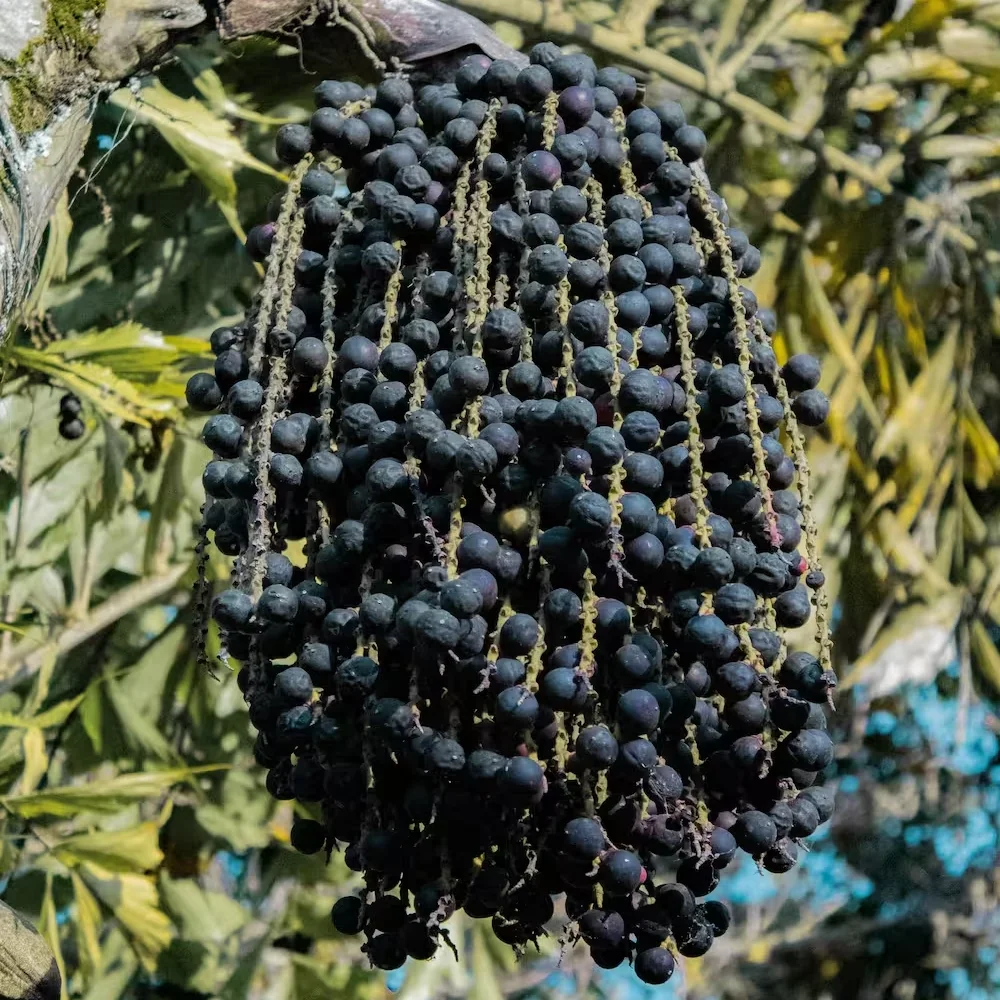
Açaí are small, dark purple berries from the Amazon rainforest, prized for their antioxidant-rich pulp and tart flavor.
Acerola
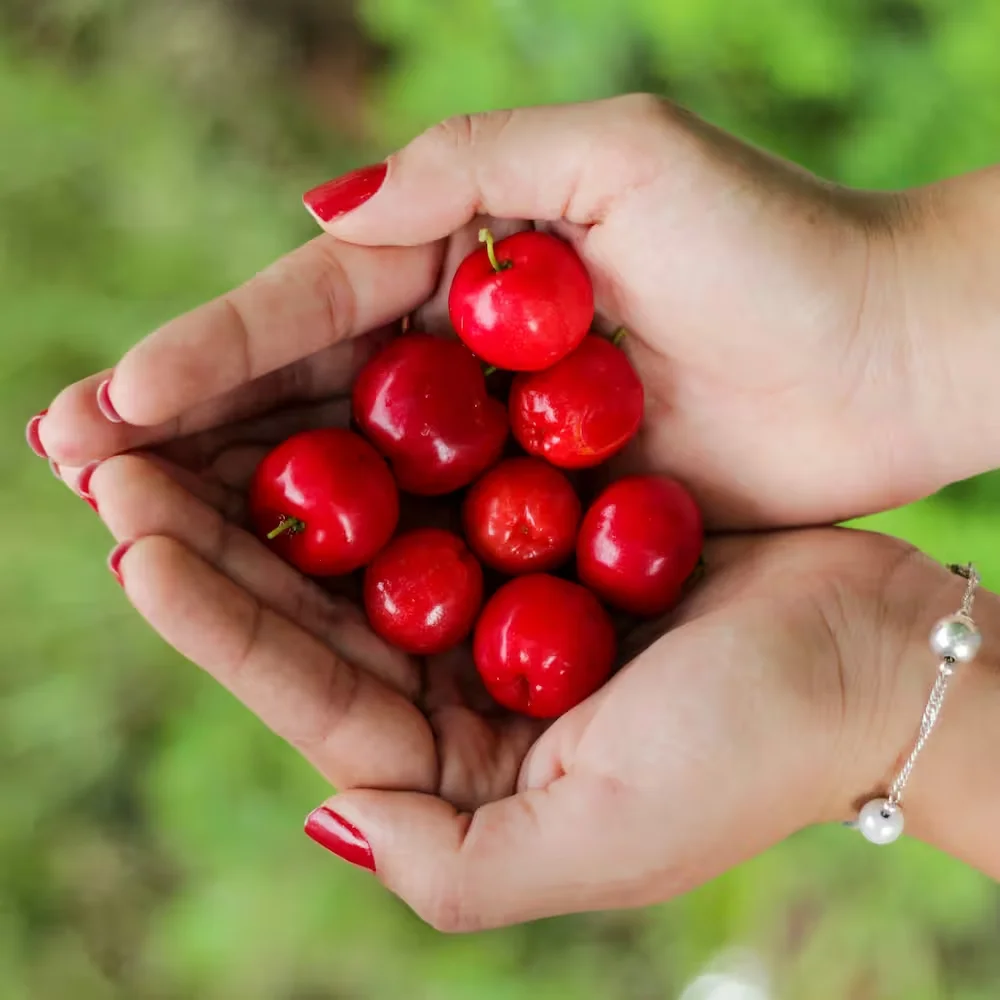
Acerola is a bright red tropical berry famous for its intense vitamin C content, offering a sweet-tart flavor perfect for juices and supplements.

Ackee
Ackee is a tropical fruit with bright red pods and creamy, yellow flesh; it must be carefully prepared as unripe parts are toxic.