Kiwi
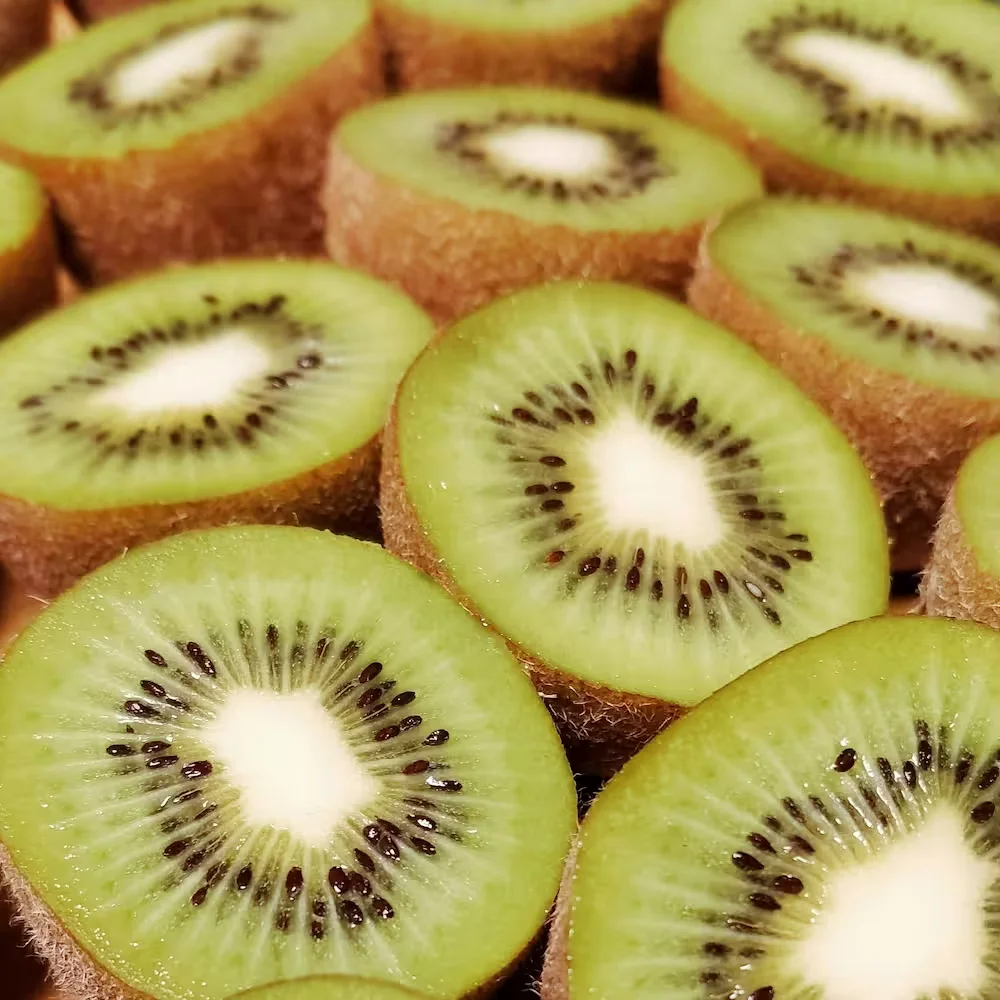
Kiwi is a small, brown, fuzzy fruit with bright green flesh and tiny black seeds, known for its sweet-tart flavor and high vitamin C content.
About Kiwi
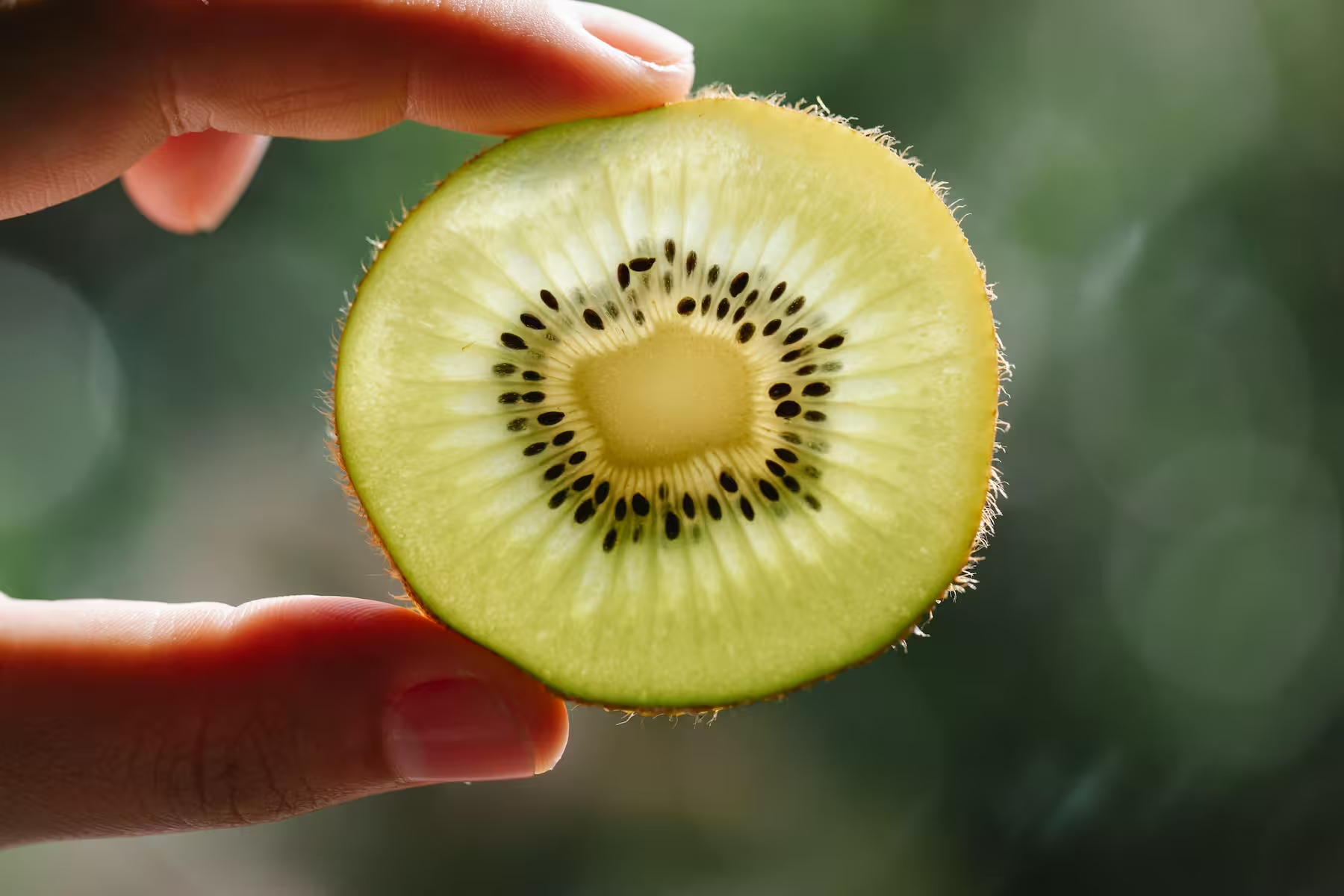
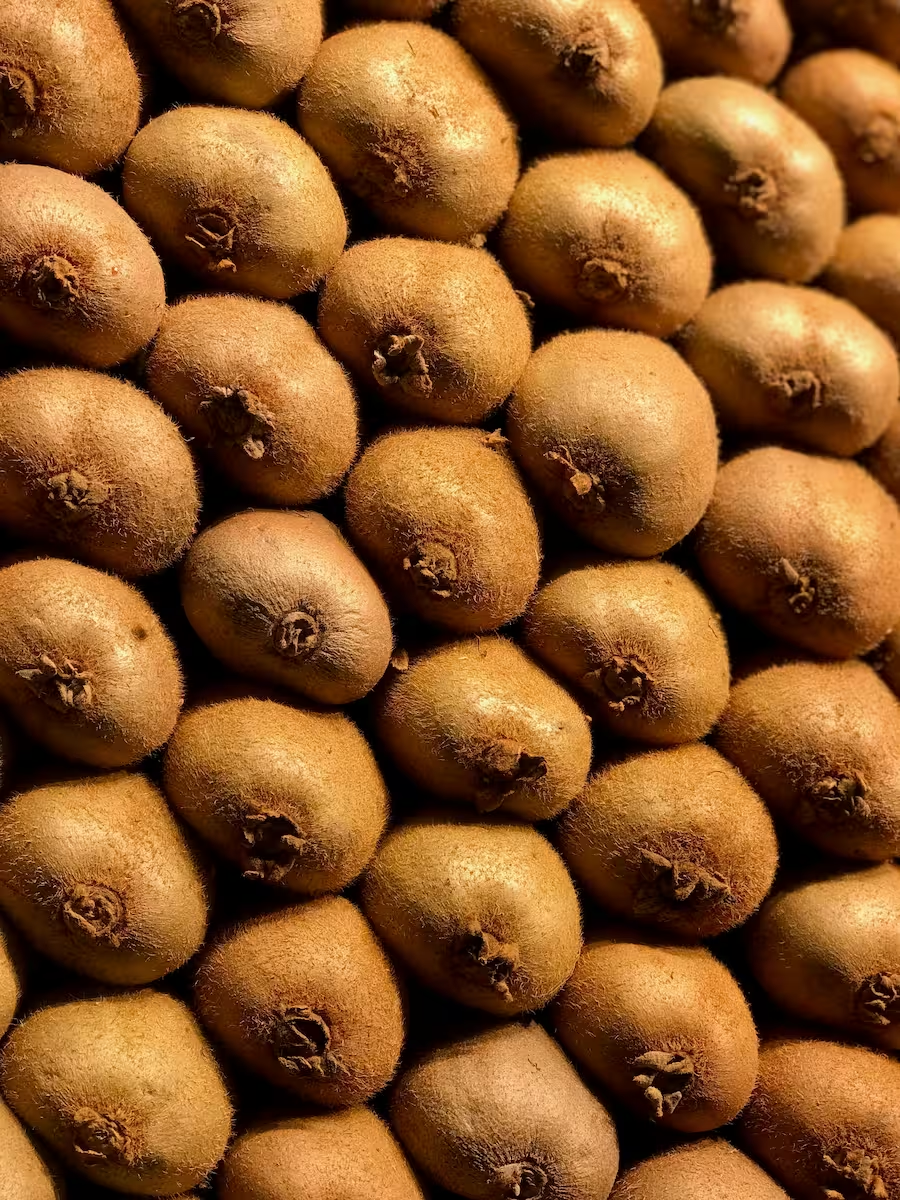
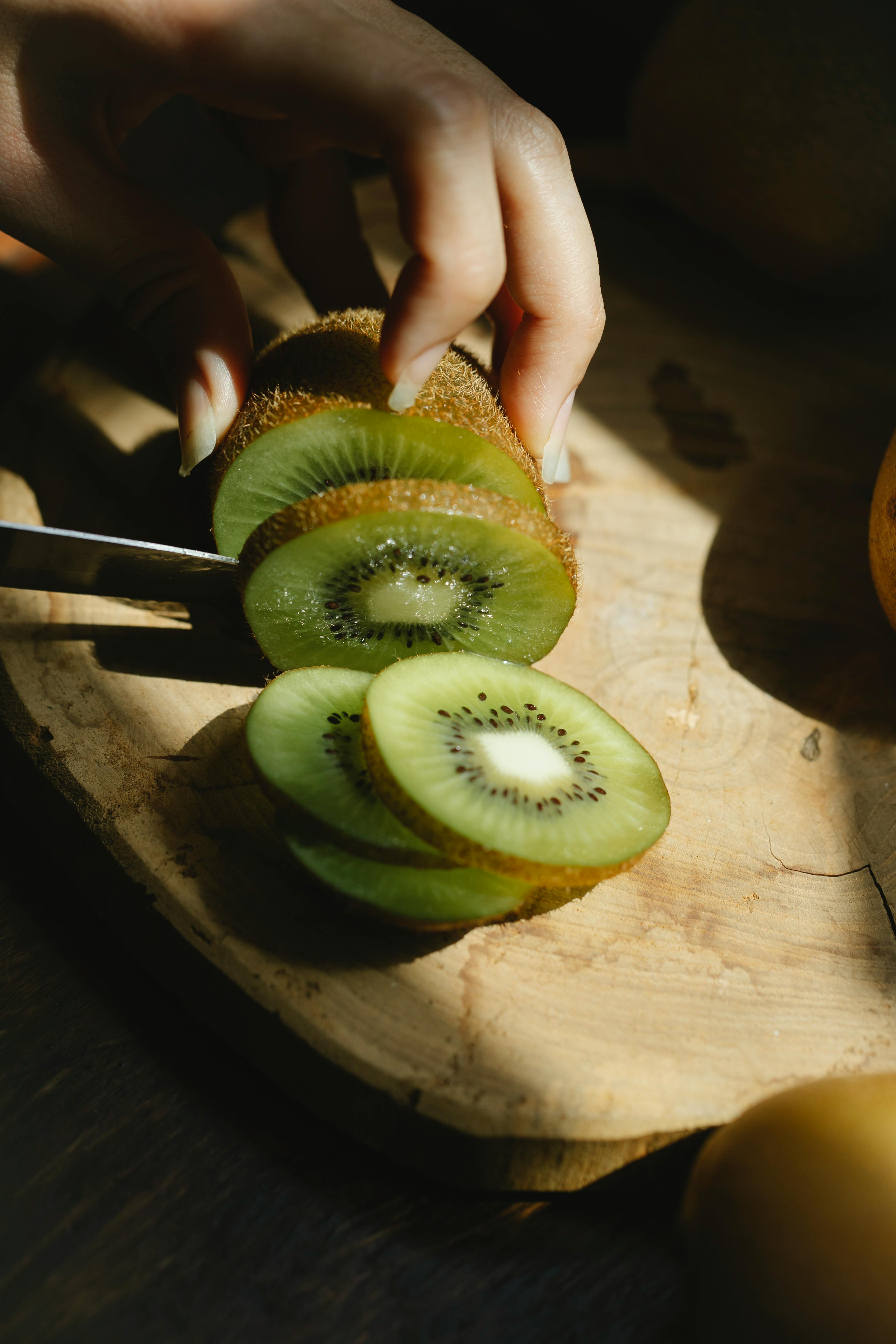
Kiwi, also known as kiwifruit or Chinese gooseberry, is the edible berry of Actinidia deliciosa, a vine originally native to China but now cultivated worldwide. Recognizable for its fuzzy brown skin and vibrant green or golden flesh, kiwi has become a staple in global fruit markets thanks to its refreshing flavor, dense nutrient profile, and versatility in both sweet and savory dishes. Though small, the fruit delivers an impressive sensory experience: a tender, juicy interior filled with tiny black seeds, a tropical aroma, and a balanced taste that blends sweetness, tanginess, and subtle floral notes. The texture of kiwi is one of its most defining qualities. When ripe, the flesh becomes soft and juicy, easily scooped with a spoon or sliced for salads, desserts, and smoothies. The seeds add a gentle crunch, while the outer skin—often peeled but technically edible—provides a slightly earthy, fuzzy contrast. Golden kiwis, a separate cultivar, offer smoother skin, a sweeter taste, and a softer texture, making them popular in premium markets. Nutritionally, kiwi is known for its exceptional vitamin C content—often exceeding that of oranges per gram. It also contains vitamin K, vitamin E, potassium, folate, and a rich array of antioxidants. Its high fiber content contributes to digestion, while natural enzymes like actinidin assist with protein breakdown. Because of these attributes, kiwi is frequently considered a “functional food,” beneficial for immune health, digestion, and overall wellness. Kiwi thrives in temperate climates and is grown extensively in New Zealand, Italy, Greece, Chile, and China. The fruit is harvested when firm and allowed to ripen off the vine, becoming softer and sweeter over several days. Ripe kiwis yield gently to pressure and develop a fragrant aroma. In culinary use, kiwi adds brightness and acidity to fruit bowls, drinks, pavlovas, chutneys, and even meat marinades. It pairs well with berries, citrus, mint, and yogurt. Whether enjoyed fresh, blended, or as part of a decorative garnish, kiwi remains one of the most distinctive and naturally vibrant fruits available.
Gallery
Seasonality
Growing Regions
Categories
Characteristics
Scientific Name
Actinidia deliciosa
Colour
Texture
Calories
61 per 100g
Taste Profile
Ripeness Indicators
Firm but slightly yielding to gentle pressure; fragrant aroma; vibrant green flesh when cut
Edible Parts
Flesh, Seeds (tiny, soft), Skin (optional, edible if washed)
Related Fruits
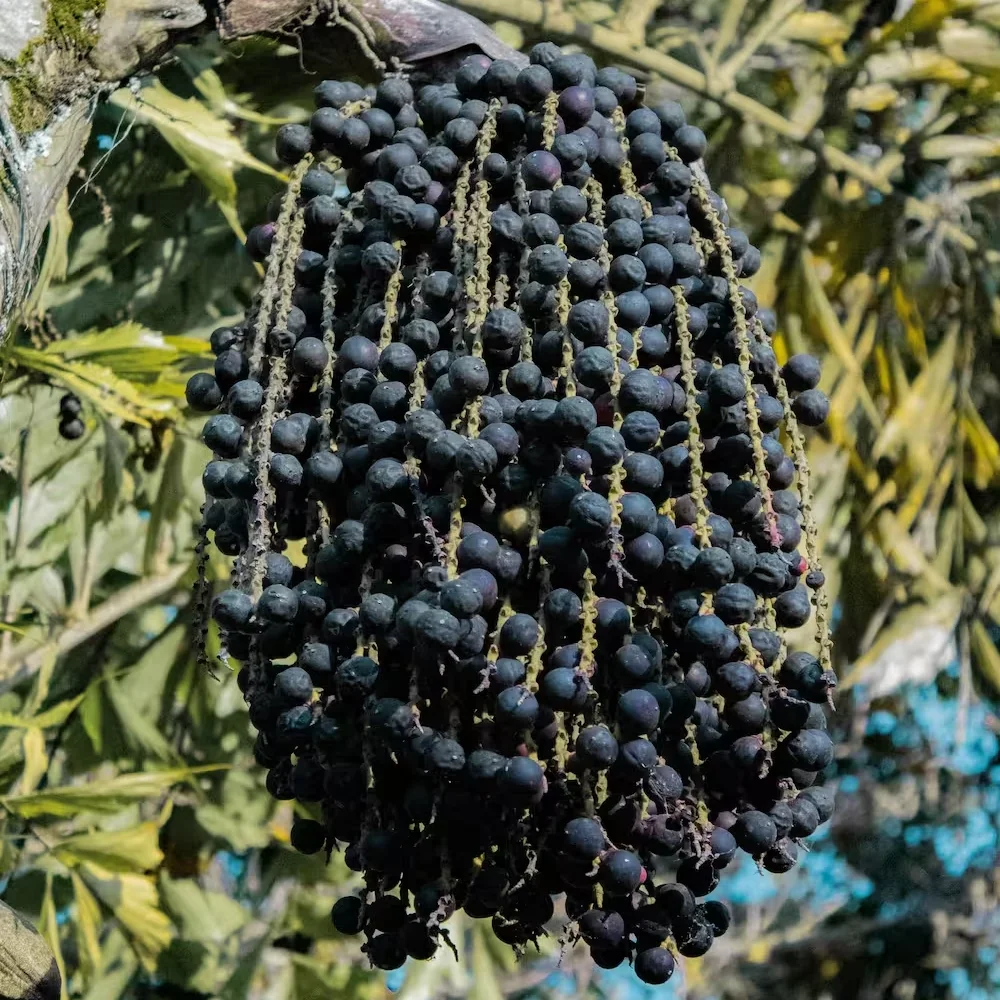
Açaí
Açaí are small, dark purple berries from the Amazon rainforest, prized for their antioxidant-rich pulp and tart flavor.
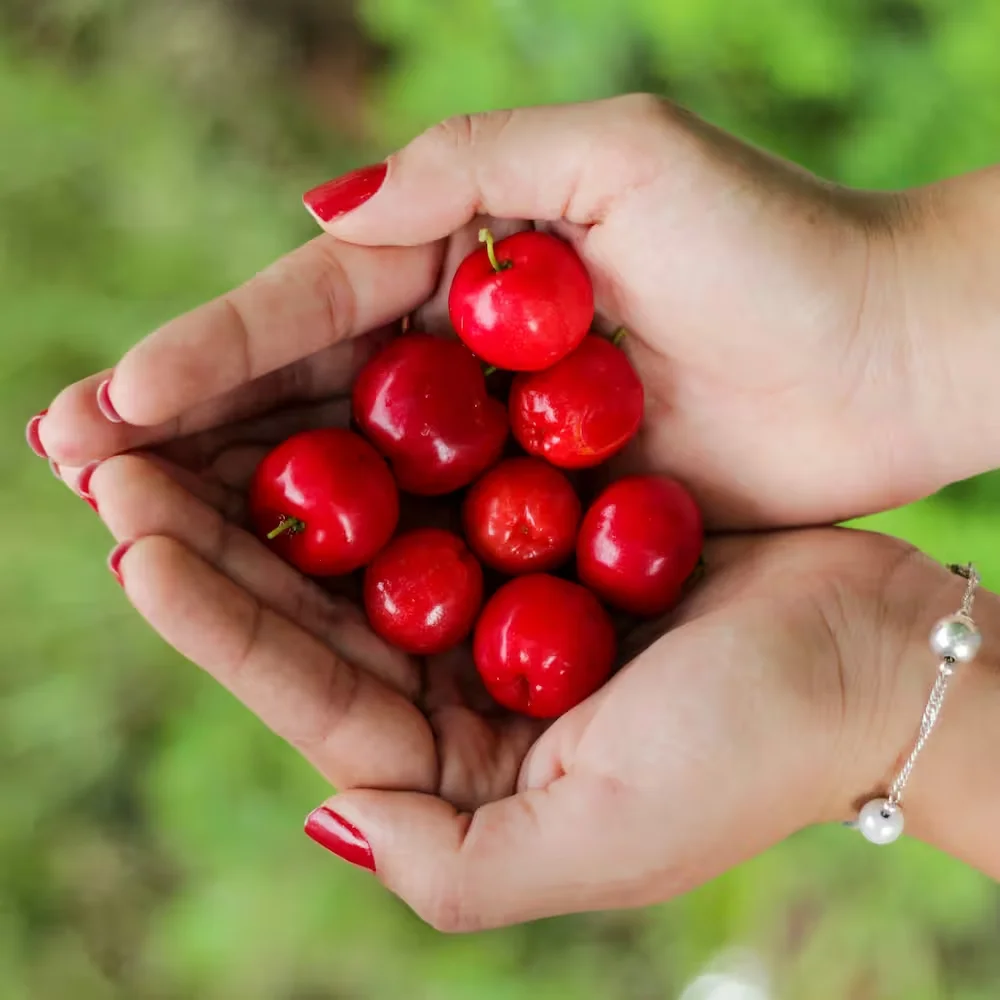
Acerola
Acerola is a bright red tropical berry famous for its intense vitamin C content, offering a sweet-tart flavor perfect for juices and supplements.

Ackee
Ackee is a tropical fruit with bright red pods and creamy, yellow flesh; it must be carefully prepared as unripe parts are toxic.