Tangerine
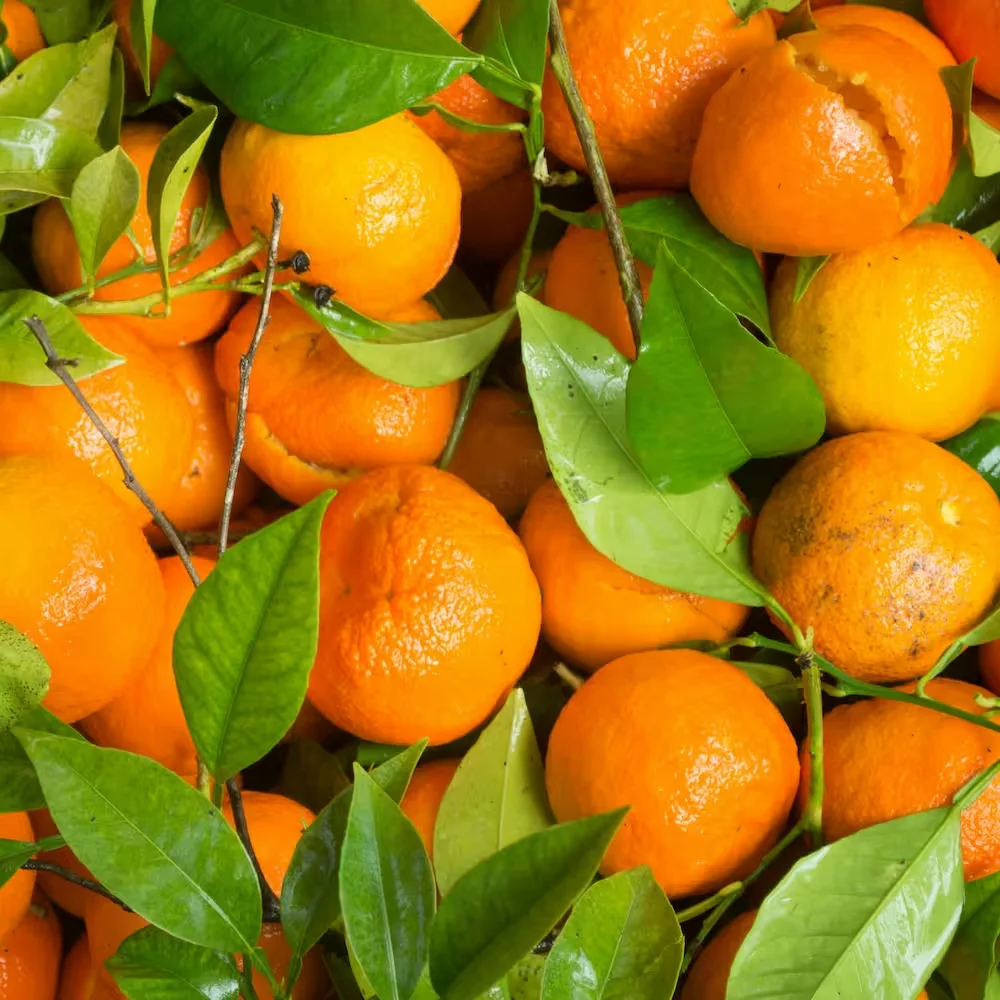
Tangerine is small, mandarin orange with a sweet citrus fruit with a bright orange skin and easy-to-peel segments, Popular as a snack and in salads
About Tangerine
Tangerines are a vibrant and aromatic citrus fruit belonging to the species Citrus reticulata, prized for their easy-to-peel skin, bright flavor, and refreshing sweetness. Smaller and less acidic than oranges, tangerines have long been valued for their convenience and delightful eating experience. Their thin, loose peel—often referred to as “zipper skin”—separates effortlessly from the segments inside, making them a favorite snack for children, busy adults, and citrus lovers around the world. The flesh of a tangerine is tender, juicy, and segmented, typically containing fewer seeds than traditional oranges. Its flavor is rich, sweet, and mildly tangy, with a signature floral citrus aroma that intensifies as the fruit ripens. Compared to mandarins, tangerines tend to have a more pronounced sweetness and deeper orange color, though the terms are often used interchangeably in everyday language. Varieties such as Dancy, Honey, Clementine, and Murcott each contribute their own nuances in sweetness, juiciness, and aroma. Nutritionally, tangerines are an excellent source of vitamin C, providing a strong boost to immune function and antioxidant support. They also contain beta-carotene, flavonoids, and dietary fiber, making them beneficial for digestion, skin health, and general wellness. Their low calorie content and natural sweetness make them a satisfying and health-conscious alternative to processed sweets. Tangerines thrive in warm, subtropical climates and are widely cultivated in regions such as China, Spain, Morocco, Turkey, the United States (particularly Florida and California), and parts of South America. They are typically harvested from late fall through early spring, with peak availability in the winter months when many other fruits are out of season. This makes tangerines an important wintertime source of fresh, bright flavor. In the culinary world, tangerines shine in many applications. Their juice adds brightness to marinades, dressings, and desserts, while the zest provides fragrant oils perfect for baking, beverages, and savory dishes. Fresh segments complement salads, yogurt bowls, and cheese boards. Whether eaten out of hand or used to brighten a dish, the tangerine remains one of the most delightful and accessible citrus fruits.
Gallery
Seasonality
Growing Regions
Categories
Characteristics
Scientific Name
Citrus reticulata
Colour
Texture
Calories
53 per 100g
Taste Profile
Ripeness Indicators
Firm but slightly soft to touch; bright orange skin; fragrant citrus aroma
Edible Parts
Flesh, Segments, Peel (optional for zest)
Related Fruits
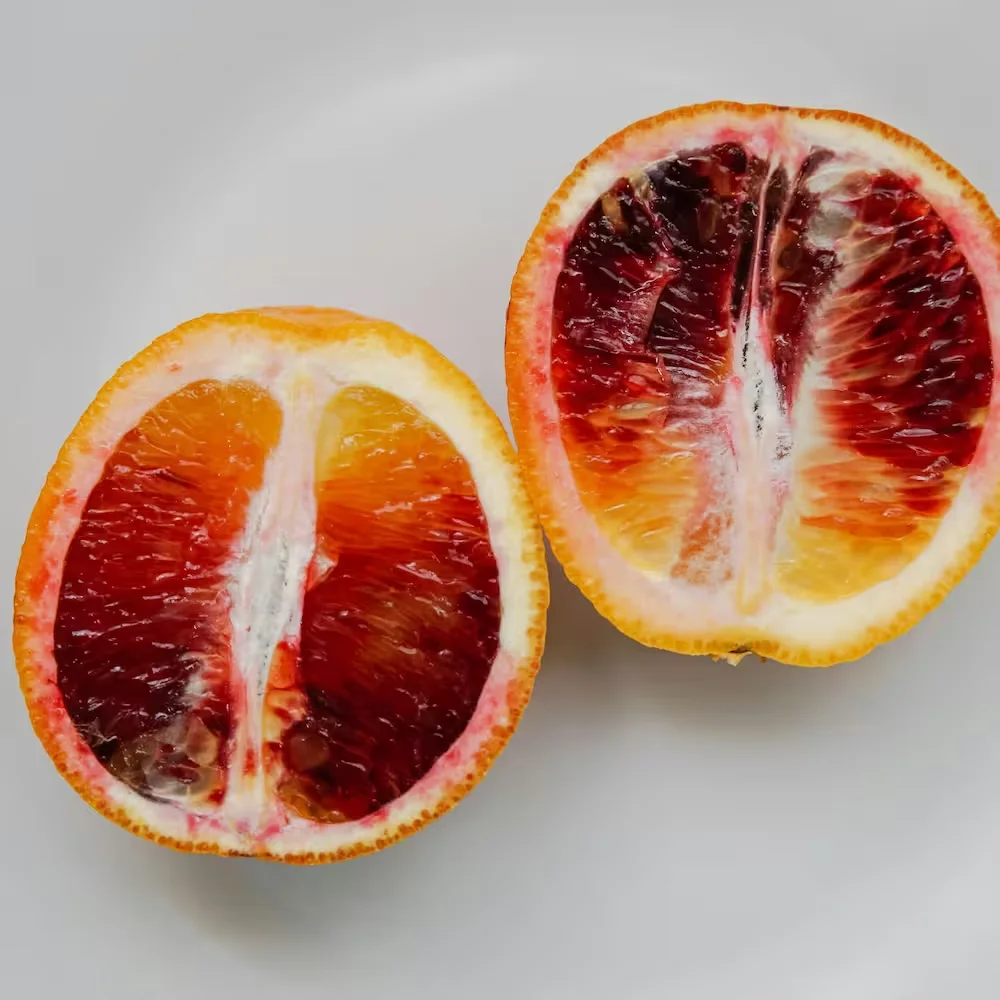
Blood orange
Blood oranges are richly coloured citrus fruits known for their sweet-tart flavour and deep red flesh, caused by natural antioxidants.
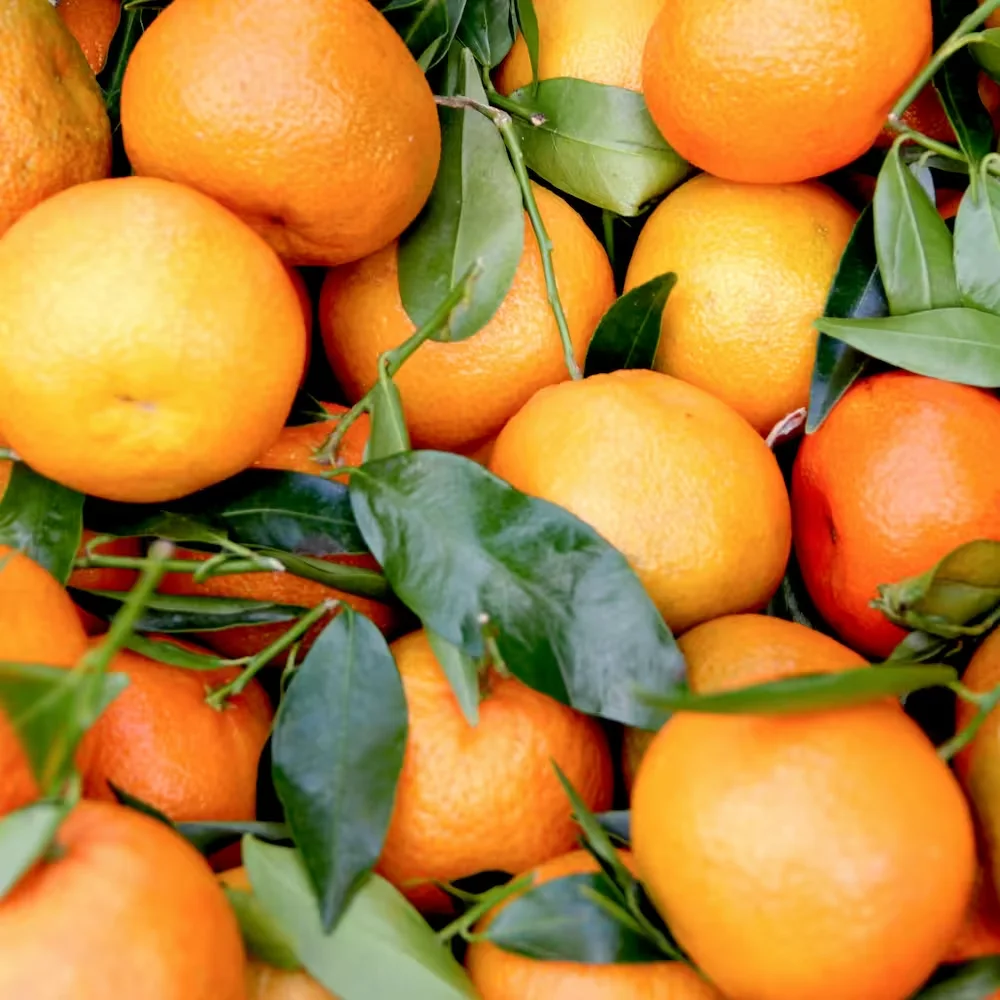
Clementine
Clementines are citrus, sweet, small seedless fruits with bright orange skin, easy to peel, perfect for snacking and adding to salads or desserts.
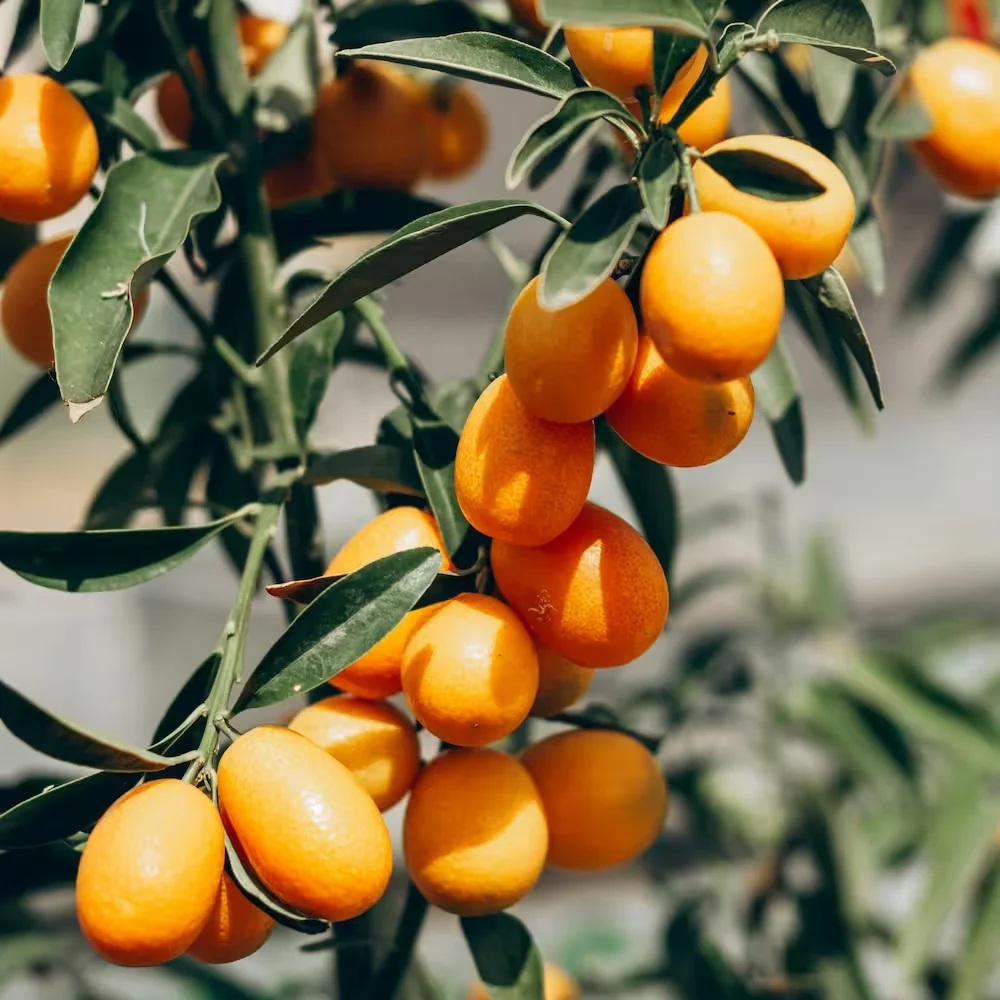
Kumquat
Kumquat is a small, oval citrus fruit with edible sweet-tart skin, packed with vitamin C and perfect for snacking, marmalades, and cocktails.