African medlar
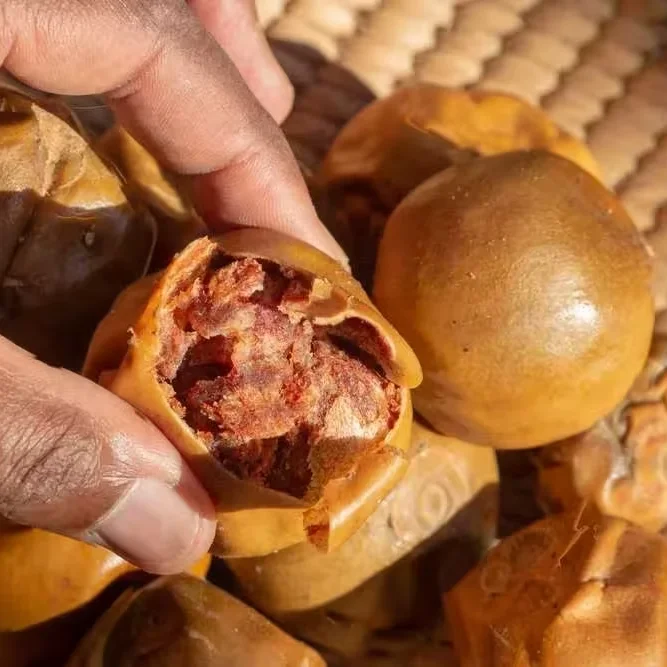
African Medlar is a small, tangy tropical fruit with golden-brown skin, aromatic pulp, and a sweet-sour flavor, used fresh or in jams and beverages.
About African medlar
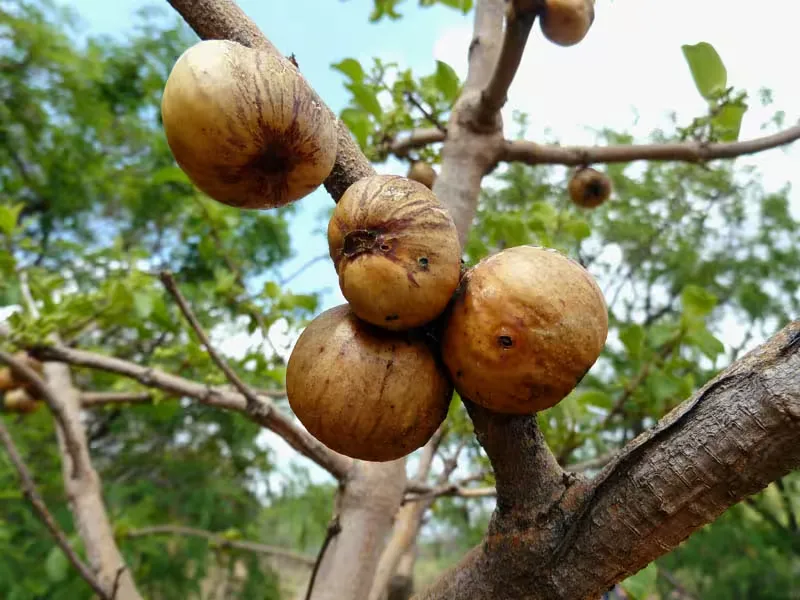
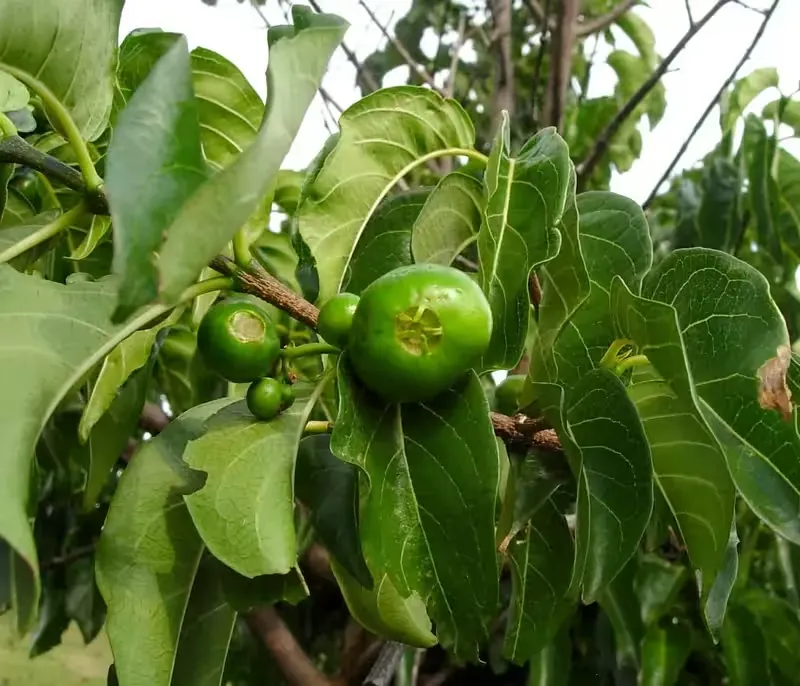
The African Medlar (Vangueria infausta), also known as wild medlar, is a small, versatile fruit native to sub-Saharan Africa. It grows on a hardy shrub or small tree, often thriving in dry, arid regions where other fruits struggle to survive. The fruit itself is round to oval, typically 2–4 cm in diameter, with smooth, golden-brown skin that can range to light yellow when fully ripe. Inside, the pulp is soft, aromatic, and packed with a balanced sweet-sour flavor, making it a favorite for both local consumption and culinary applications. African Medlar is rich in vitamin C, dietary fiber, and antioxidants, which contribute to its traditional use in herbal remedies. The fruit is eaten fresh, mashed into porridge, or used to make jams, jellies, and fermented beverages. Its slightly tangy taste pairs well with spices, enhancing both sweet and savory dishes. Beyond its nutritional and culinary value, African Medlar trees provide shade, act as a natural windbreak, and support local biodiversity, including pollinators and birds that disperse its seeds. The fruit is harvested from late summer to early autumn, and ripeness is indicated by a softening of the pulp and a fragrant, sweet aroma. While the seeds are generally discarded, the edible pulp is safe and highly prized. African Medlar holds cultural significance in many African communities and has potential for wider agricultural and commercial interest due to its resilience, unique flavor, and health benefits. It represents a rare, underappreciated tropical fruit that combines practicality, nutrition, and culinary versatility in a single small, flavorful package.
Gallery
Seasonality
Growing Regions
Categories
Characteristics
Scientific Name
Vangueria infausta
Colour
Texture
Calories
60 per 100g
Taste Profile
Ripeness Indicators
Fruit is ripe when pulp softens, skin turns golden-brown, and a sweet, aromatic fragrance develops.
Edible Parts
The pulp is edible; seeds are usually discarded.
Related Fruits
Abiu
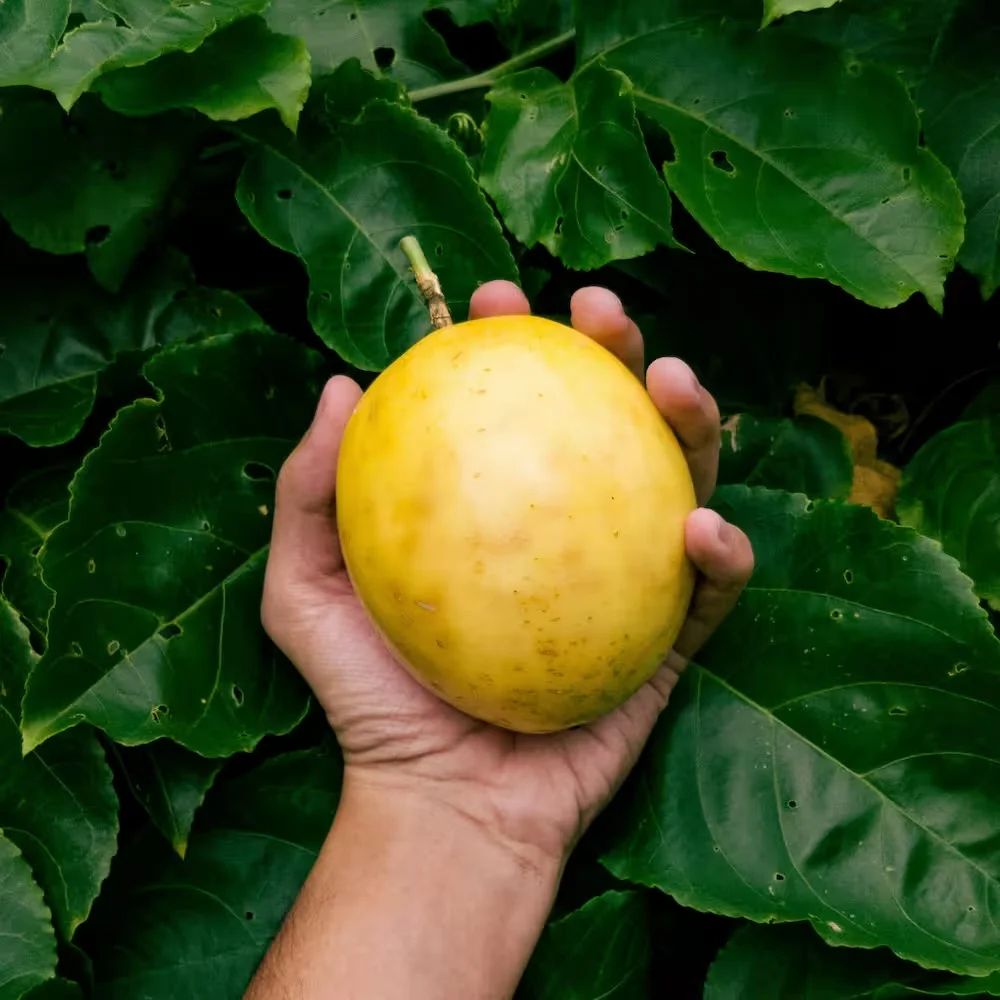
A bright yellow tropical fruit from the Amazon, abiu is prized for its sweet, creamy, jelly-like flesh with a caramel-custard flavor.
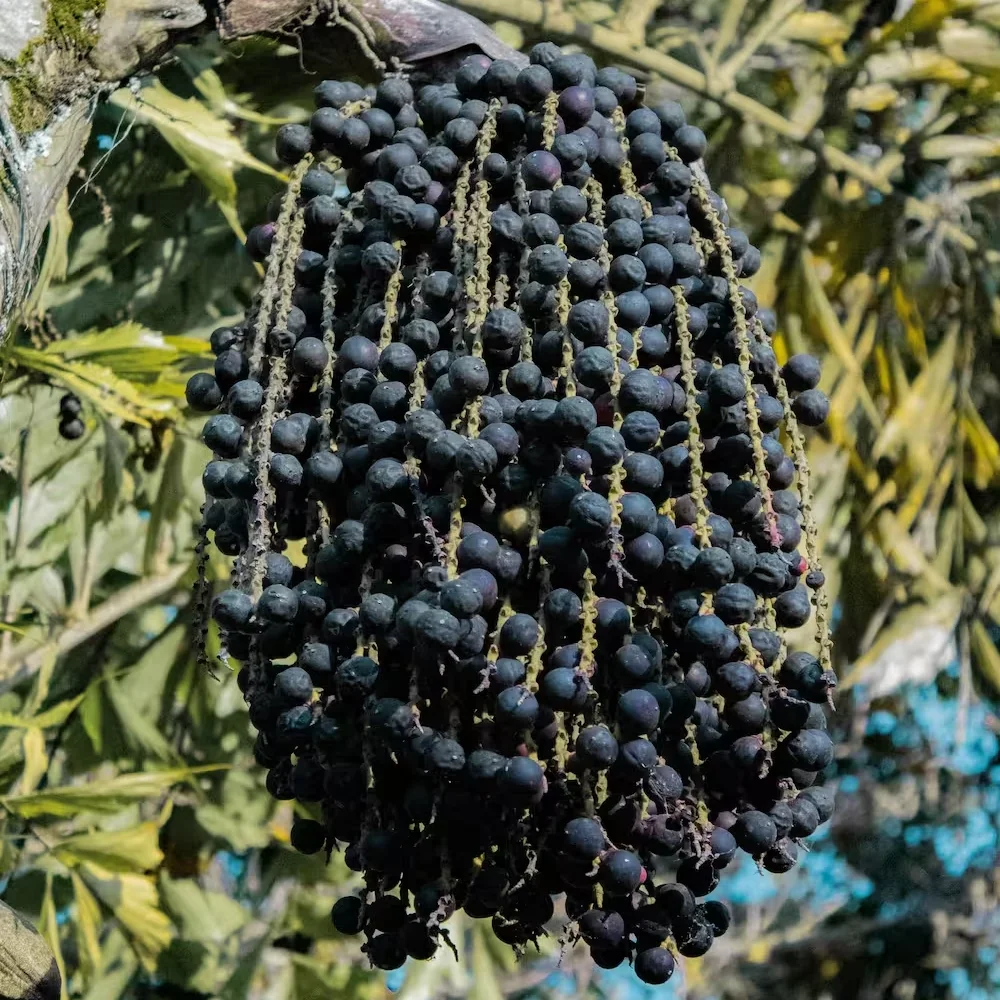
Açaí
Açaí are small, dark purple berries from the Amazon rainforest, prized for their antioxidant-rich pulp and tart flavor.
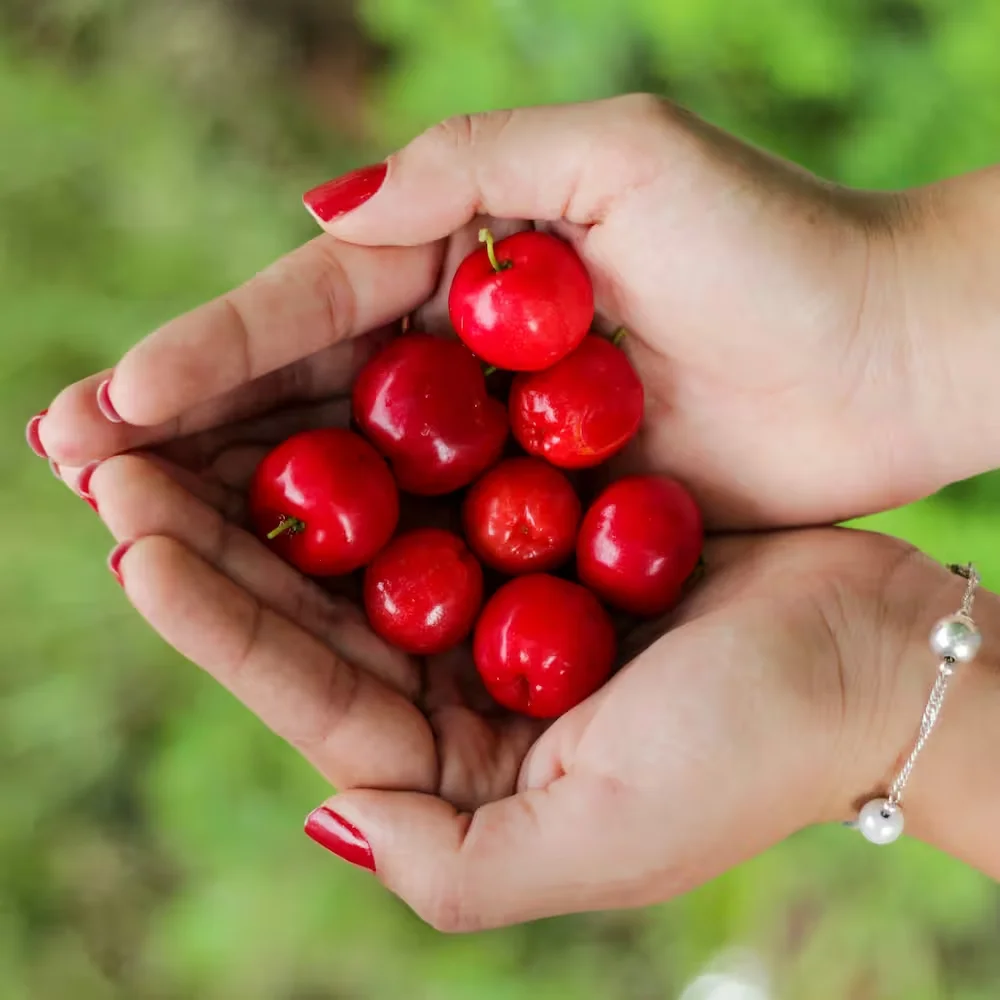
Acerola
Acerola is a bright red tropical berry famous for its intense vitamin C content, offering a sweet-tart flavor perfect for juices and supplements.