Avocado
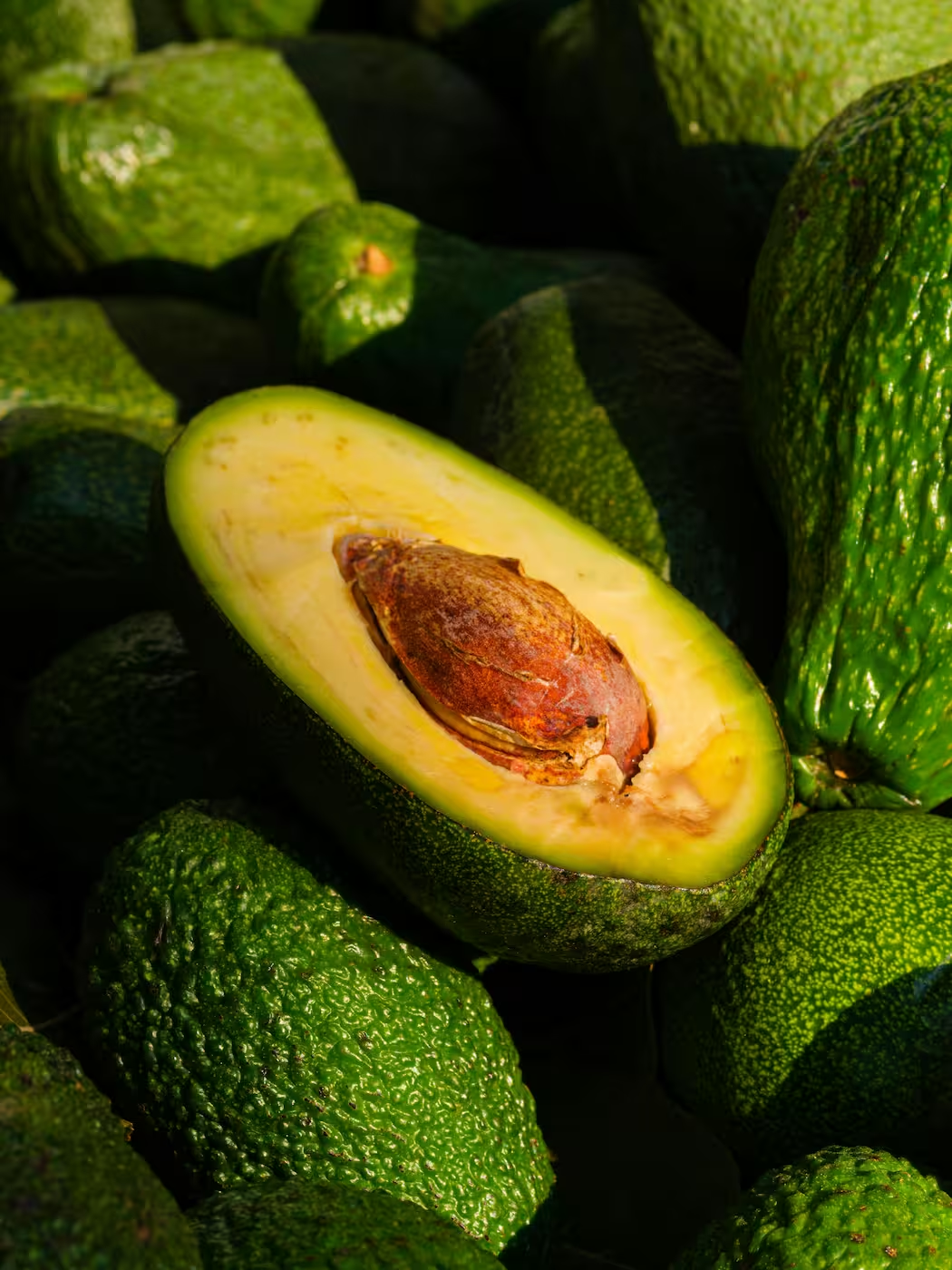
Avocados are pear-shaped fruits, creamy, nutrient-rich fruit prized for its healthy fats and versatile culinary uses, with a creamy texture.
About Avocado
Avocado (Persea americana) is a unique and nutrient-dense fruit celebrated for its creamy texture, rich flavor, and exceptional health benefits. Unlike most fruits, avocados are high in healthy fats rather than sugars, making them a distinctive staple in both culinary traditions and modern nutrition. Originating in Central America—particularly present-day Mexico, Guatemala, and surrounding regions—avocados have been cultivated for thousands of years and were highly prized by ancient Mesoamerican civilizations. The defining characteristic of an avocado is its smooth, buttery flesh, which ranges in color from pale green to deep yellow depending on the variety and ripeness. Hass, the most widely consumed variety, has a dark, pebbled skin that turns nearly black when ripe. Other cultivars such as Fuerte, Reed, and Bacon feature smoother, greener skins and slightly different flavor profiles. Regardless of the type, ripe avocados yield gently to pressure, indicating soft, spreadable flesh inside. Nutritionally, avocados are exceptional. They contain monounsaturated fats—particularly oleic acid—which are known to support heart health, reduce inflammation, and help regulate cholesterol levels. They’re also packed with potassium, fiber, folate, vitamin K, vitamin E, B vitamins, and antioxidants like lutein and zeaxanthin, which support eye health. This combination makes avocados one of the most nutrient-rich fruits available. Avocados are incredibly versatile in the kitchen. Their creamy texture makes them ideal for spreads, dips, and sauces, most famously guacamole. Sliced avocado adds richness to salads, sandwiches, sushi, and bowls, while blended avocado is used in smoothies, soups, and even desserts. In vegan cooking, avocado serves as a natural substitute for butter or cream due to its fatty, smooth consistency. Cultivation of avocado trees requires warm climates, consistent moisture, and well-drained soil. Major production regions include Mexico (the global leader), Peru, Chile, the United States (especially California and Florida), Israel, Kenya, Australia, and Spain. Most varieties have peak availability during spring and summer, though global cultivation ensures avocados are accessible year-round. Praised for both flavor and nutrition, the avocado has earned its reputation as a modern superfruit—one that supports healthy eating while adding unmatched creaminess and depth to countless dishes.
Gallery
Seasonality
Growing Regions
Categories
Characteristics
Scientific Name
Persea americana
Colour
Texture
Calories
160 per 100g
Taste Profile
Ripeness Indicators
Slightly soft when gently pressed; dark green to almost black skin (varies by variety); slightly fragrant aroma
Edible Parts
Flesh, occasionally skin zest for garnish (not typically eaten), seed not edible
Related Fruits
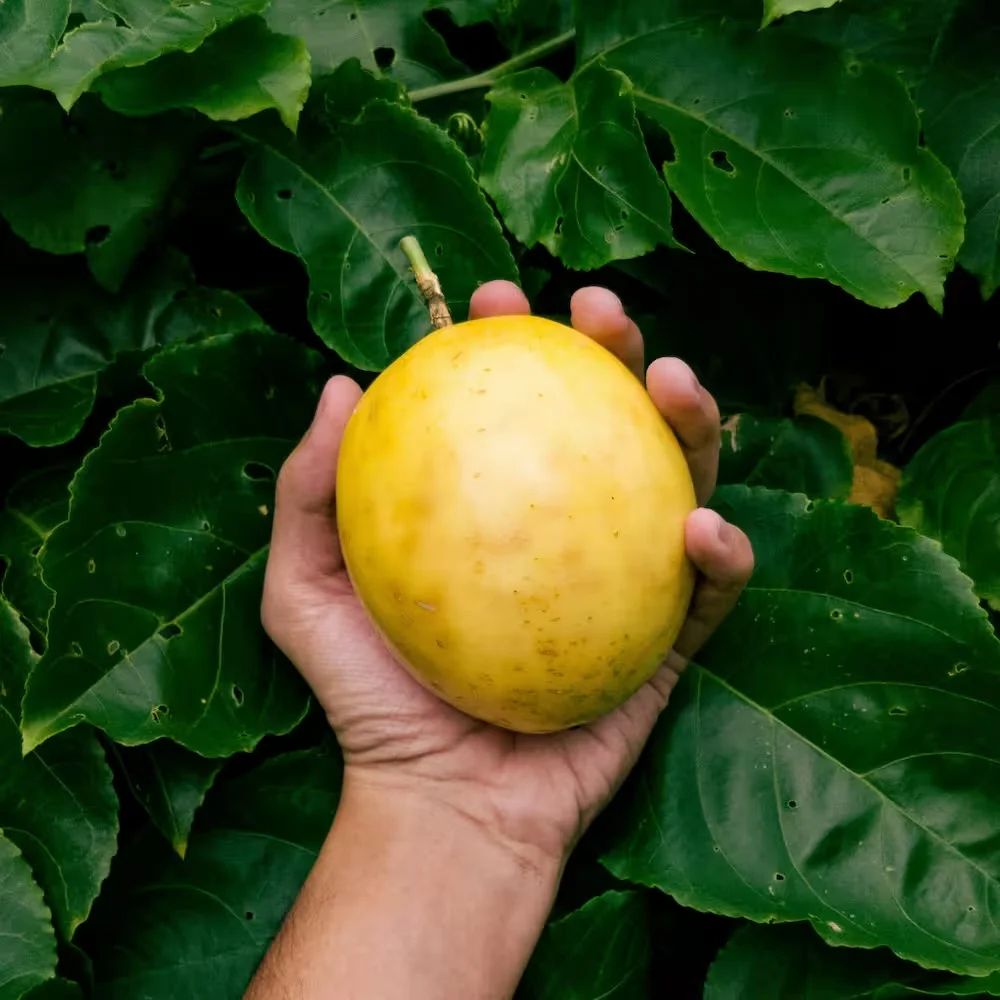
Abiu
A bright yellow tropical fruit from the Amazon, abiu is prized for its sweet, creamy, jelly-like flesh with a caramel-custard flavor.
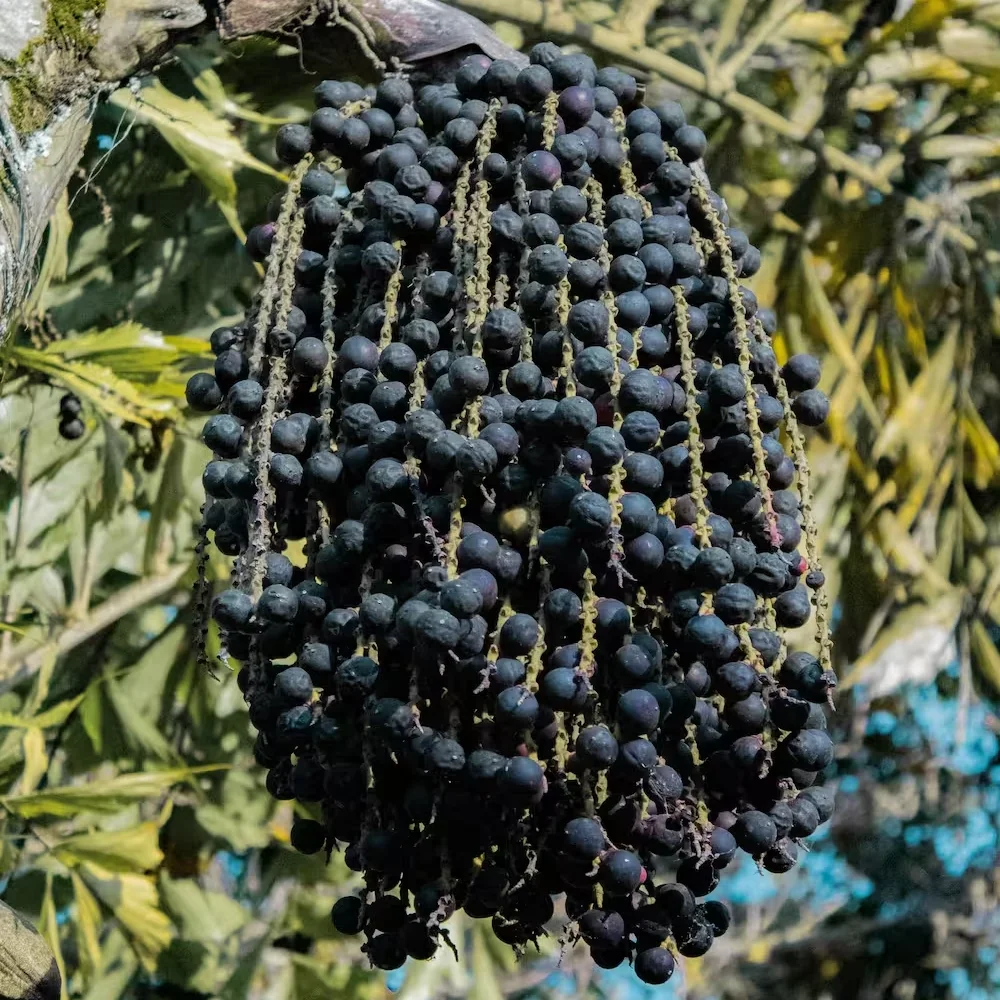
Açaí
Açaí are small, dark purple berries from the Amazon rainforest, prized for their antioxidant-rich pulp and tart flavor.
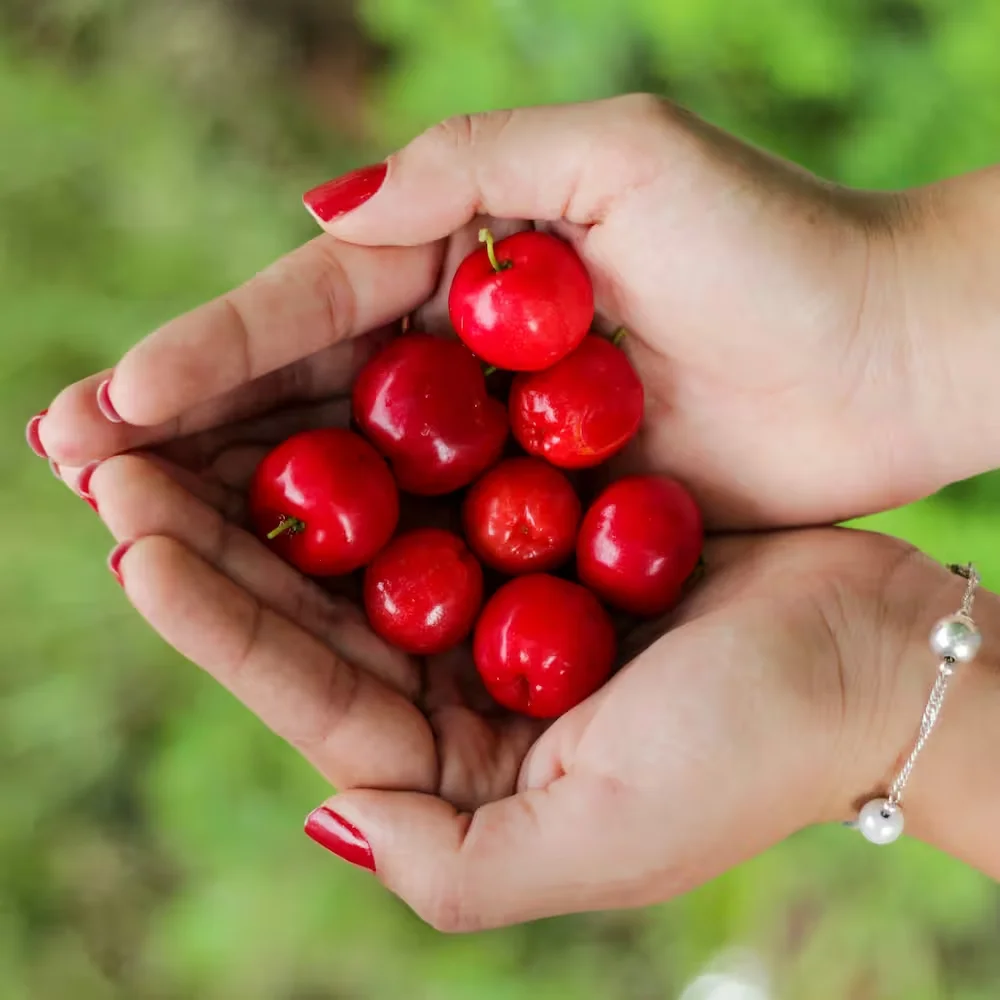
Acerola
Acerola is a bright red tropical berry famous for its intense vitamin C content, offering a sweet-tart flavor perfect for juices and supplements.