Dates
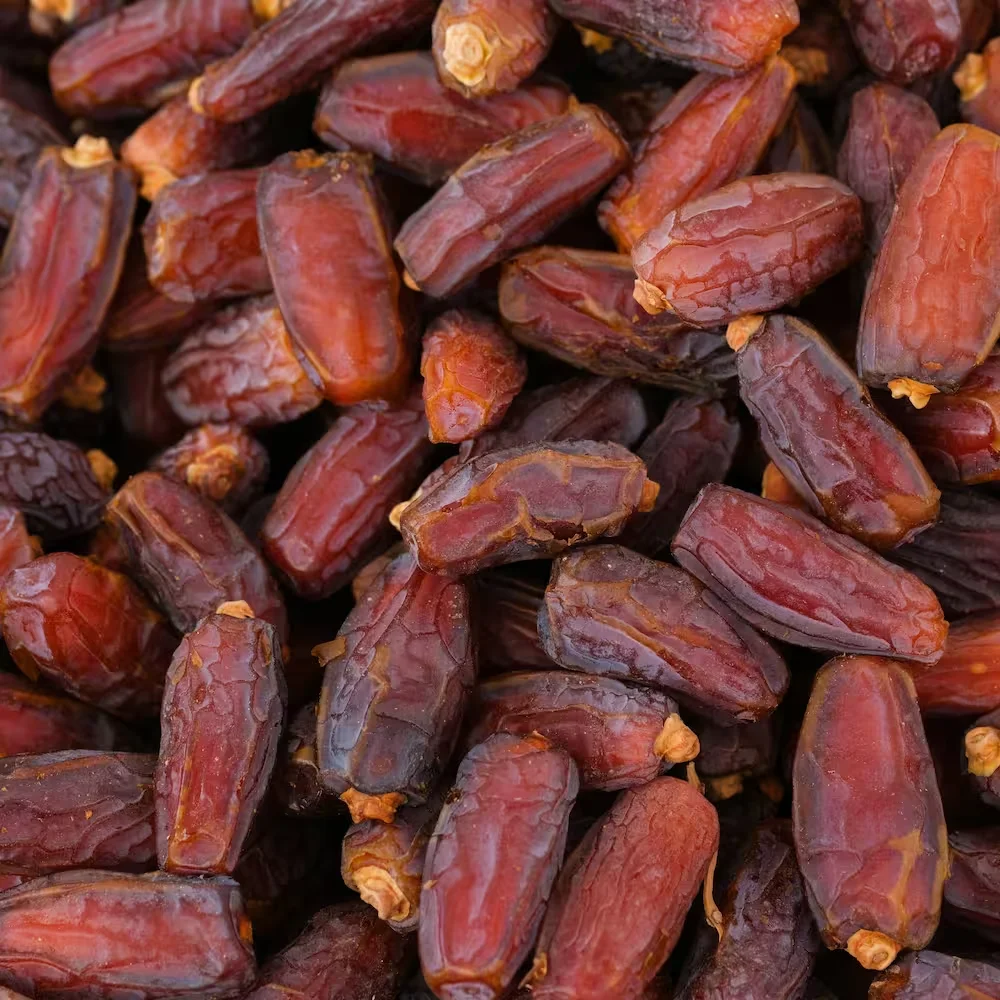
Dates are sweet, chewy fruits from the date palm, rich in fiber, natural sugars, and nutrients, enjoyed fresh or dried worldwide.
About Dates
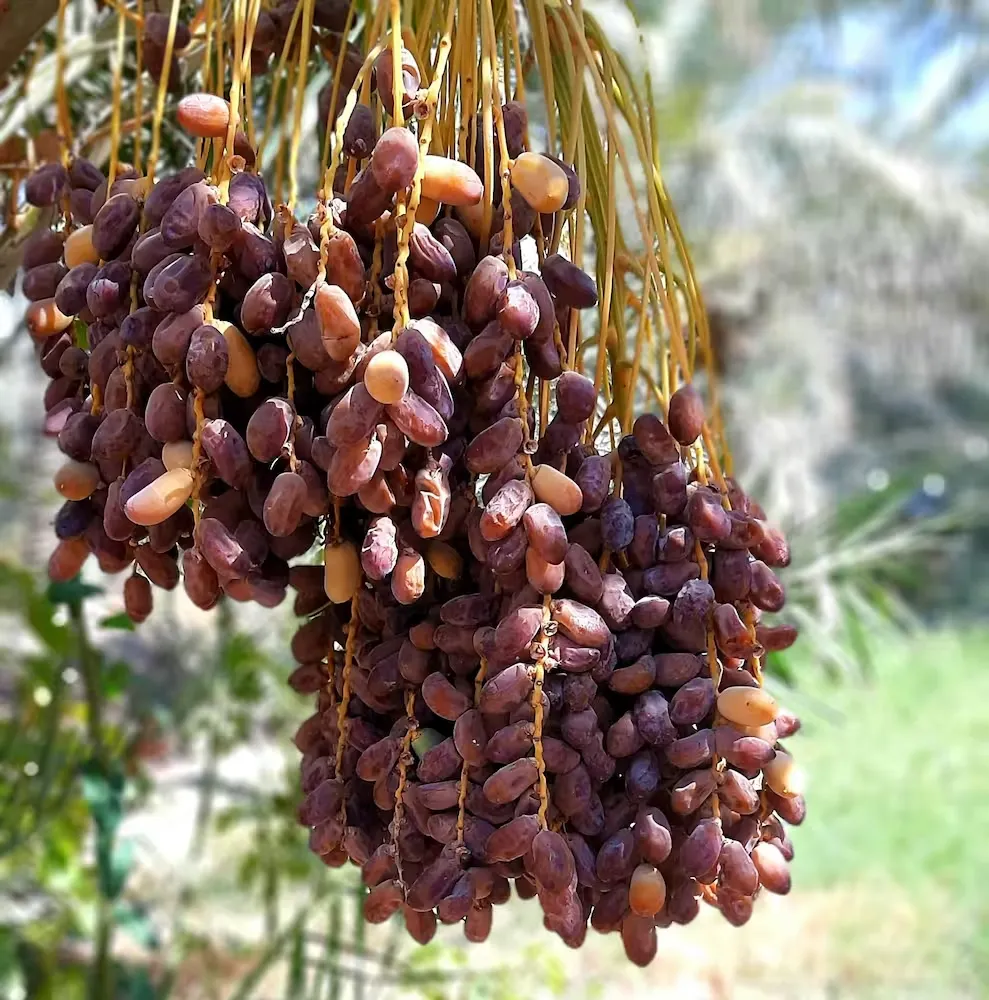
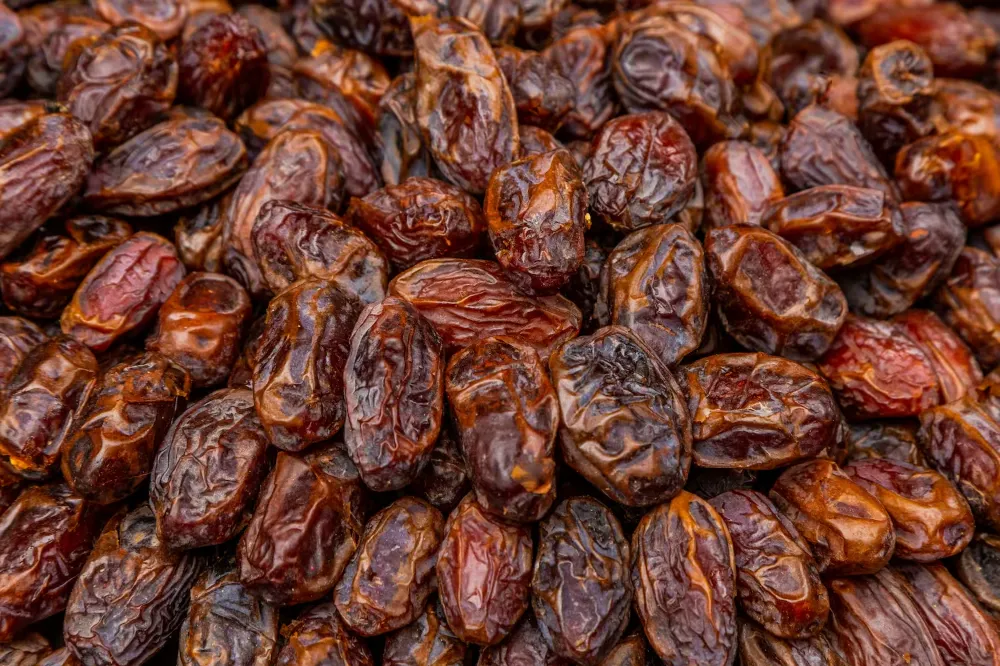
Dates (Phoenix dactylifera) are the iconic fruits of the date palm, cultivated for thousands of years in the Middle East, North Africa, and parts of South Asia. Renowned for their intense sweetness, chewy texture, and long shelf life, dates have been a staple food, cultural symbol, and natural sweetener across civilizations. They grow in clusters on tall palms and vary in size, shape, and color depending on the cultivar, ranging from golden brown to deep mahogany when fully ripe. The flesh of the date is soft, sticky, and dense, with a rich caramel-like flavor. Inside each fruit lies a single elongated seed, which must be removed before consumption. While fresh dates are plump and tender, dried dates are even sweeter, with concentrated sugars and a more pronounced chewiness. Popular varieties include Medjool, Deglet Noor, Barhi, and Zahidi, each offering subtle differences in sweetness, texture, and size. Nutritionally, dates are highly valued for their energy content and micronutrients. They are rich in natural sugars like glucose, fructose, and sucrose, providing quick energy, and contain dietary fiber that aids digestion. Dates are also a source of potassium, magnesium, iron, vitamin B6, and antioxidants, supporting heart health, bone strength, and general wellness. Their nutrient density makes them a favored addition to snacks, desserts, and traditional dishes in many cultures. Dates are harvested from late summer to early fall, with ripe fruits easily identified by their deepened color, slight softness, and glossy appearance. Overripe dates can become overly dry or ferment, while underripe dates are firmer and less sweet. The edible parts include the fleshy pulp, while the seed is removed. Dates can be eaten fresh, dried, or incorporated into a variety of culinary applications, from sweet pastries and energy bars to smoothies and sauces. Today, dates are cultivated in countries such as Saudi Arabia, Iran, Egypt, the United Arab Emirates, Iraq, Pakistan, the United States (California), and Tunisia. They remain a versatile, nutritious, and globally cherished fruit with cultural, culinary, and health significance.
Gallery
Seasonality
Growing Regions
Categories
Characteristics
Scientific Name
Phoenix dactylifera
Colour
Texture
Calories
277 per 100g
Taste Profile
Ripeness Indicators
Fruits turn deep brown, become slightly soft, and develop a glossy or wrinkled exterior
Edible Parts
Flesh and pulp; remove the seed before eating.
Related Fruits
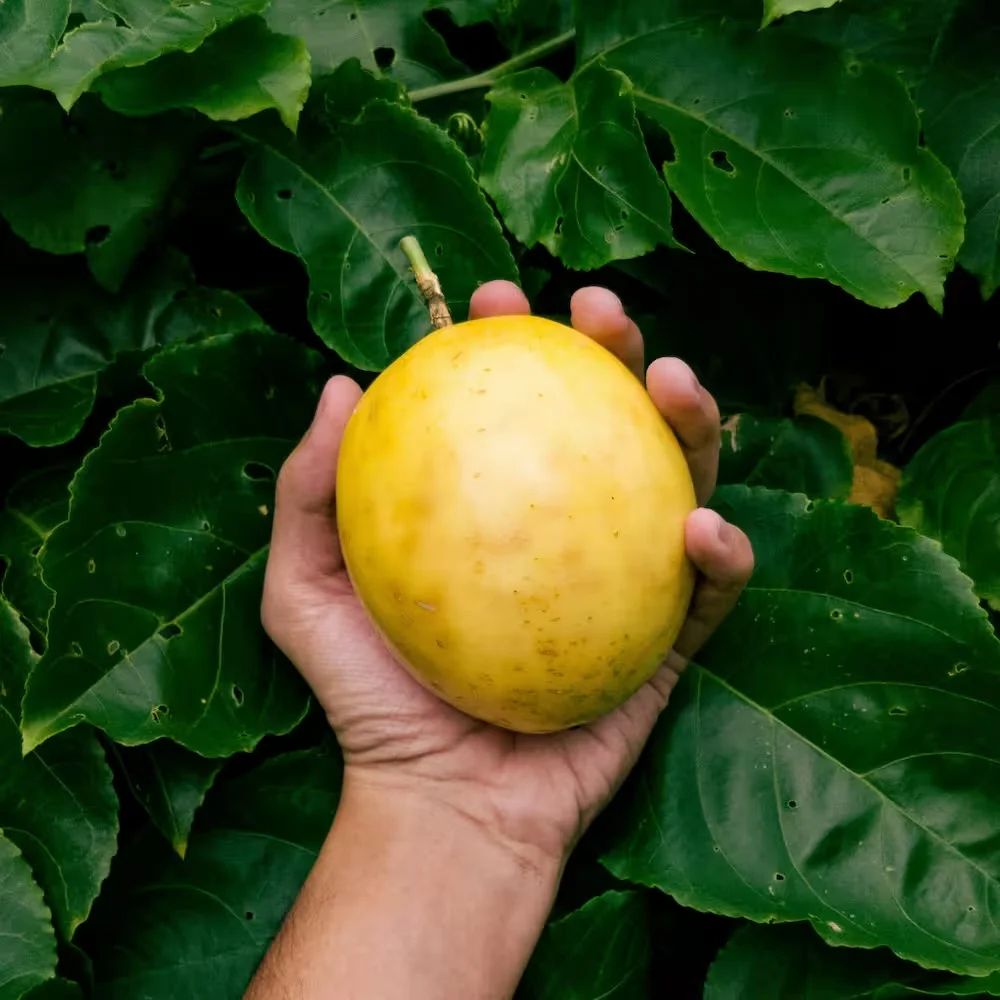
Abiu
A bright yellow tropical fruit from the Amazon, abiu is prized for its sweet, creamy, jelly-like flesh with a caramel-custard flavor.
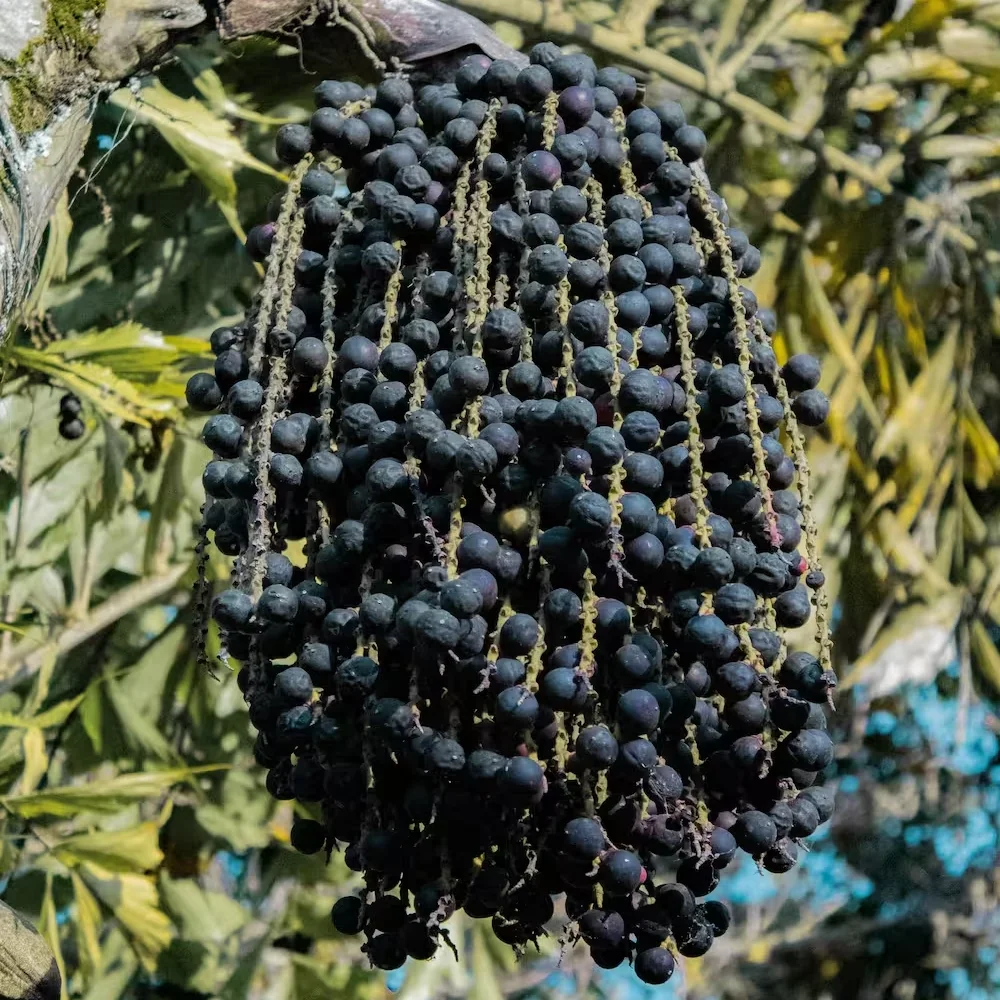
Açaí
Açaí are small, dark purple berries from the Amazon rainforest, prized for their antioxidant-rich pulp and tart flavor.
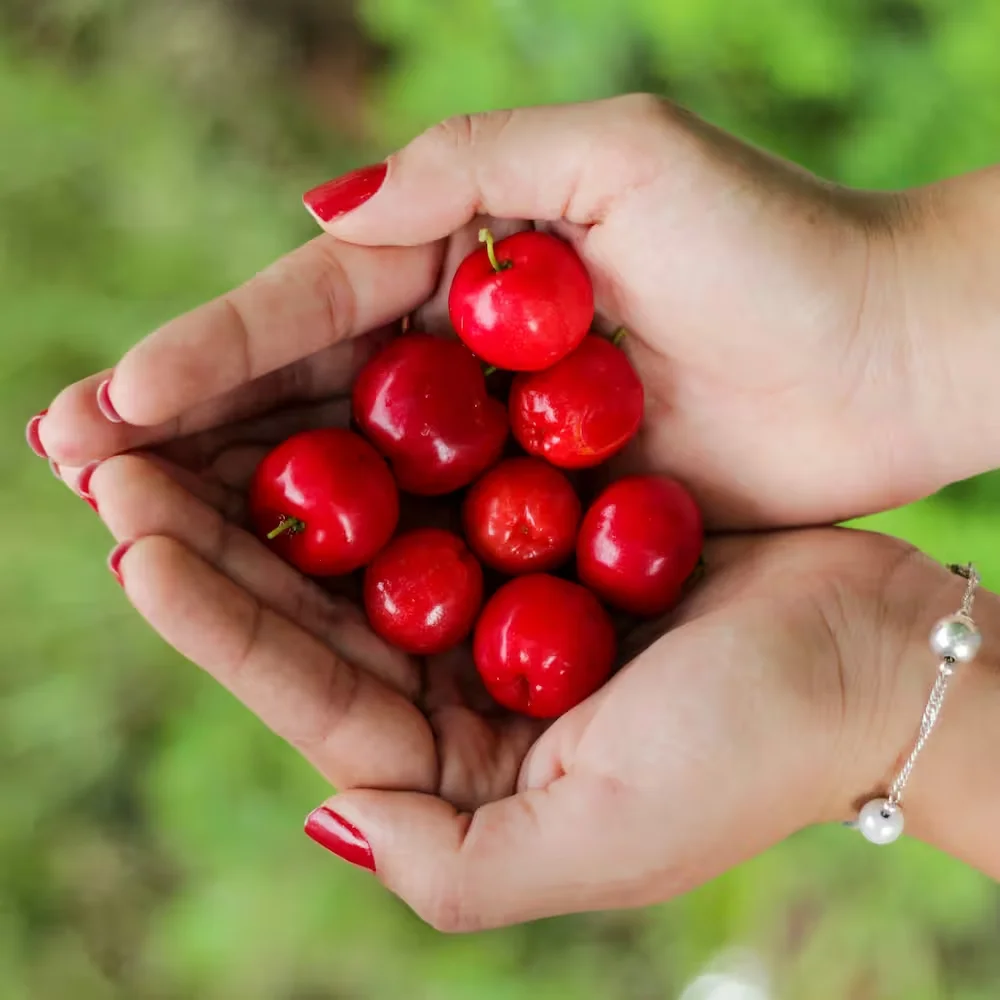
Acerola
Acerola is a bright red tropical berry famous for its intense vitamin C content, offering a sweet-tart flavor perfect for juices and supplements.