Pawpaw
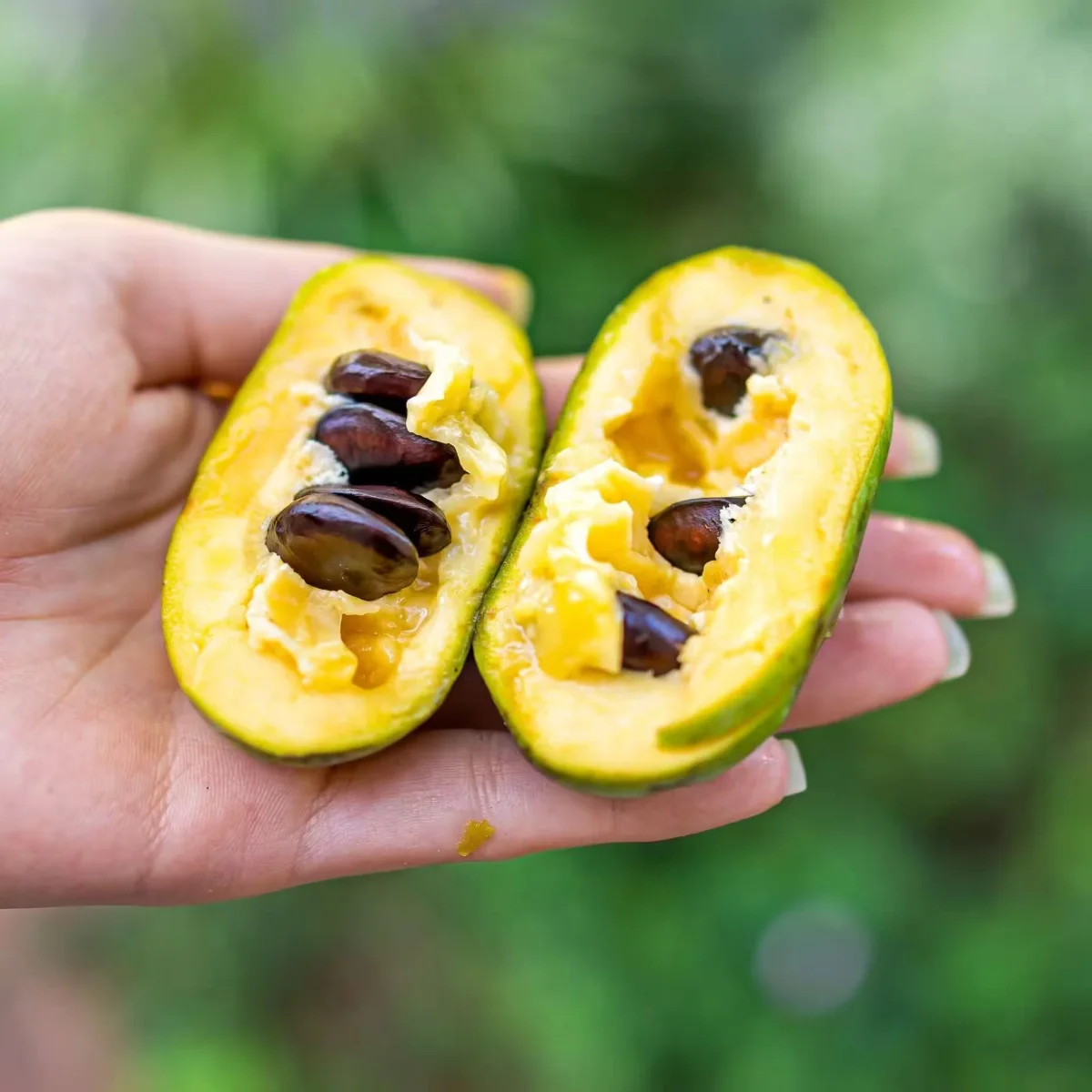
Pawpaw is a tropical fruit with soft, custard-like yellow flesh, sweet and tropical flavor, enjoyed fresh or in desserts, smoothies, and baked goods.
About Pawpaw
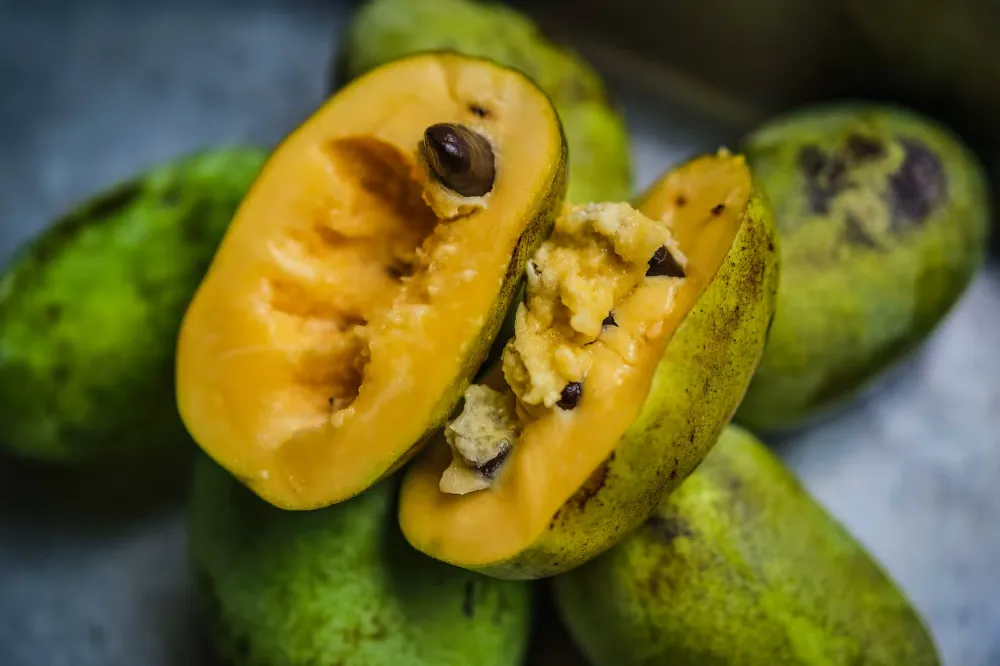
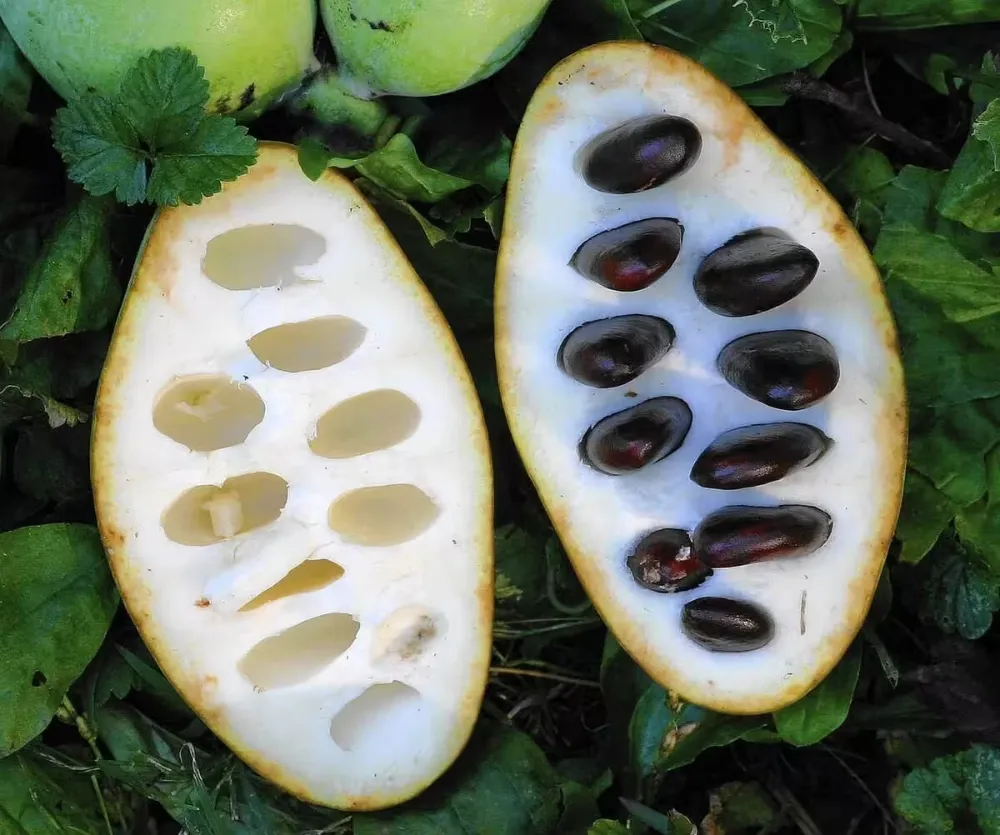
The Pawpaw (Asimina triloba) is a unique tropical fruit native to North America, though it thrives in warm, humid climates around the world. Often called the “Indiana banana” or “poor man’s banana,” the pawpaw grows on small trees that produce greenish-yellow, oblong fruits. The fruit is best known for its soft, creamy, custard-like flesh, which has a tropical aroma and a sweet, complex flavor reminiscent of banana, mango, and melon. Pawpaw is rich in nutrients, including vitamin C, magnesium, potassium, and antioxidants, making it both a flavorful and nutritious addition to the diet. The fruit is typically eaten fresh, scooped directly from the skin, or used in smoothies, puddings, ice creams, baked goods, and jams. Unlike many tropical fruits, pawpaw has a relatively short shelf life, so it is often consumed shortly after harvesting. Ripening occurs in late summer, with indicators including a slightly soft texture, fragrant aroma, and change in skin color from green to a pale yellow or brownish hue. The large seeds in the center are not edible and should be removed before consumption. Pawpaw trees are not only valued for their fruit but also for their ornamental beauty, with large, lush leaves and small, purplish flowers. Overall, pawpaw is an underappreciated tropical fruit that combines creamy texture, sweet-tropical flavor, and nutritional benefits. Its custard-like flesh and unique flavor profile make it a favorite among adventurous fruit enthusiasts and a versatile ingredient in both fresh and prepared dishes.
Gallery
Seasonality
Growing Regions
Categories
Characteristics
Scientific Name
Asimina triloba
Colour
Texture
Calories
80 per 100g
Taste Profile
Ripeness Indicators
Fruit is ripe when the skin softens, aroma develops, and color turns from green to yellow or brownish
Edible Parts
Flesh is edible; seeds are not eaten.
Related Fruits
Abiu
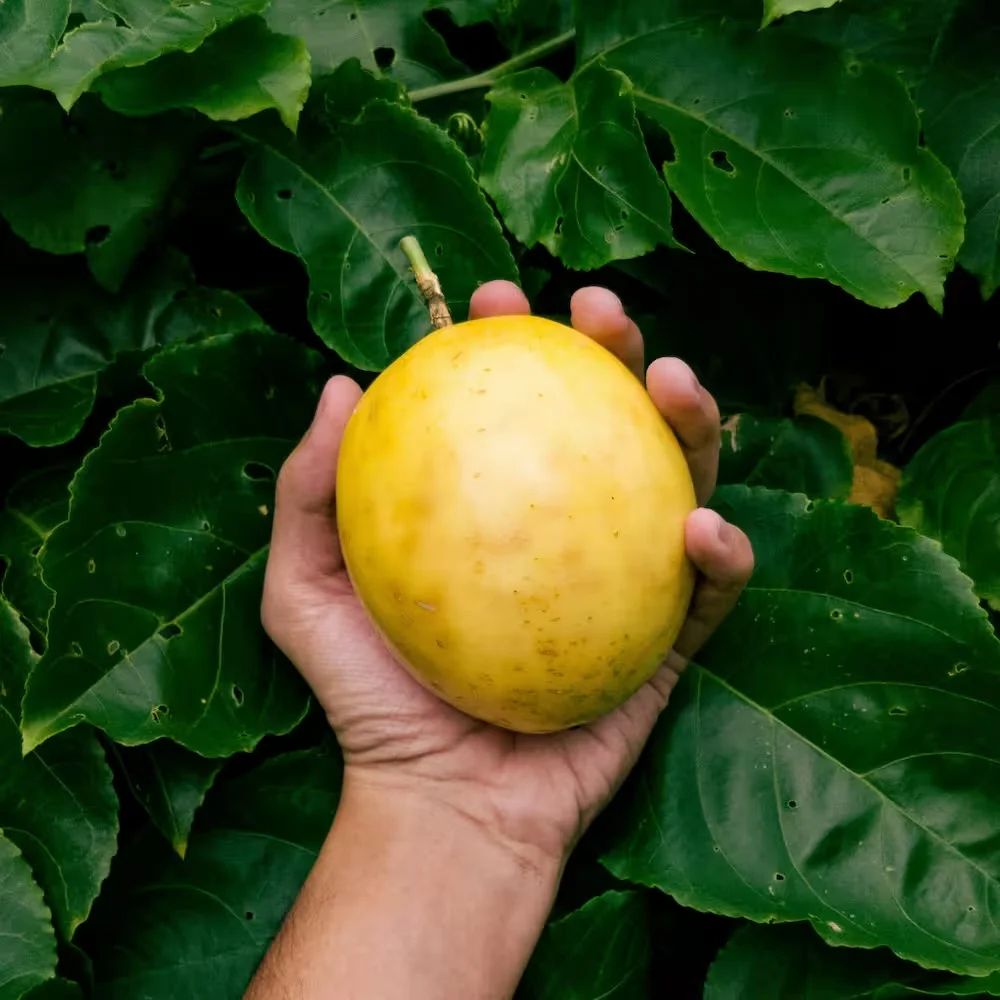
A bright yellow tropical fruit from the Amazon, abiu is prized for its sweet, creamy, jelly-like flesh with a caramel-custard flavor.
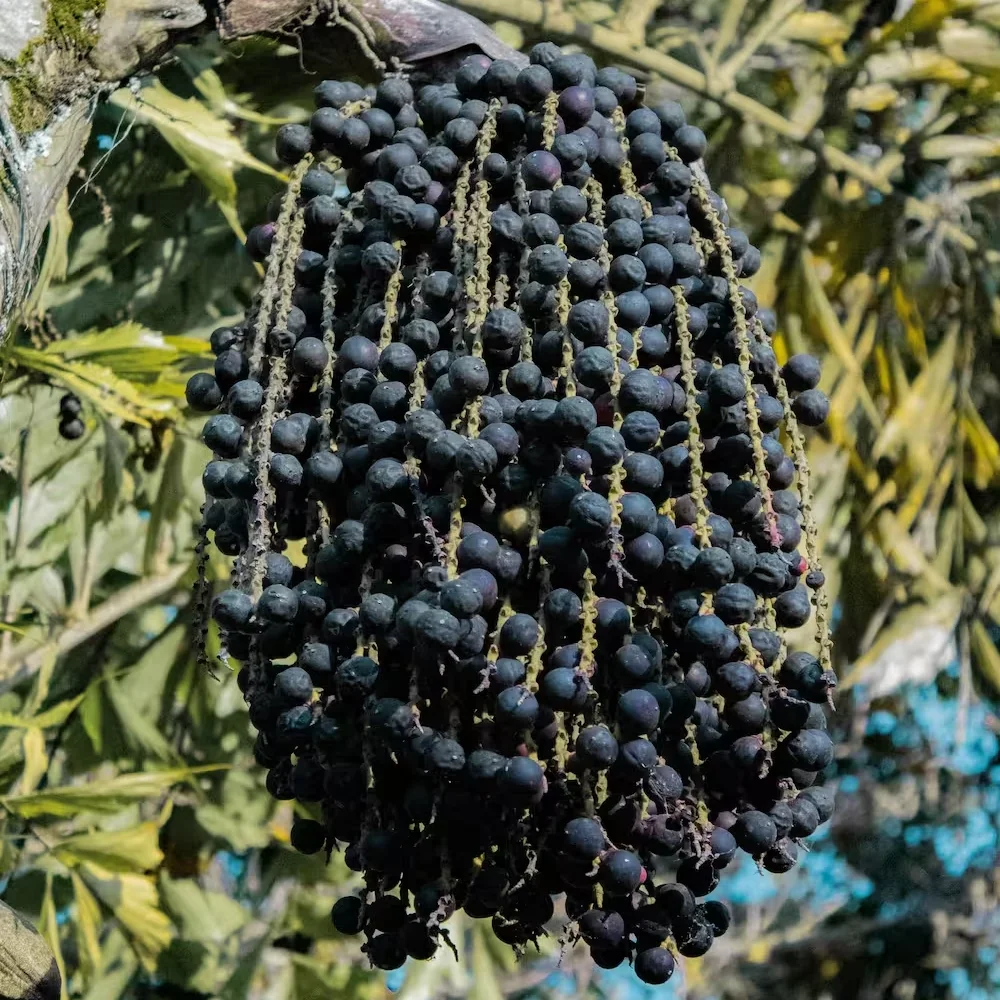
Açaí
Açaí are small, dark purple berries from the Amazon rainforest, prized for their antioxidant-rich pulp and tart flavor.
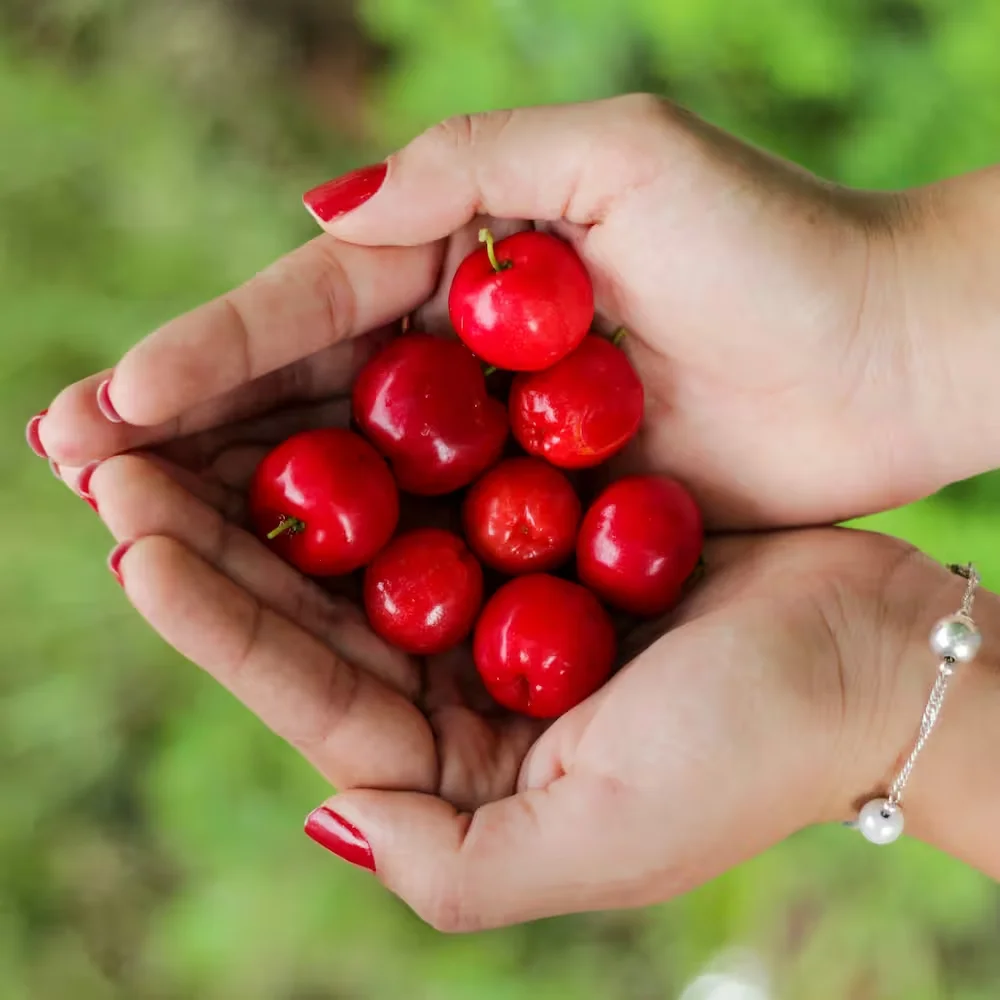
Acerola
Acerola is a bright red tropical berry famous for its intense vitamin C content, offering a sweet-tart flavor perfect for juices and supplements.