Azarole
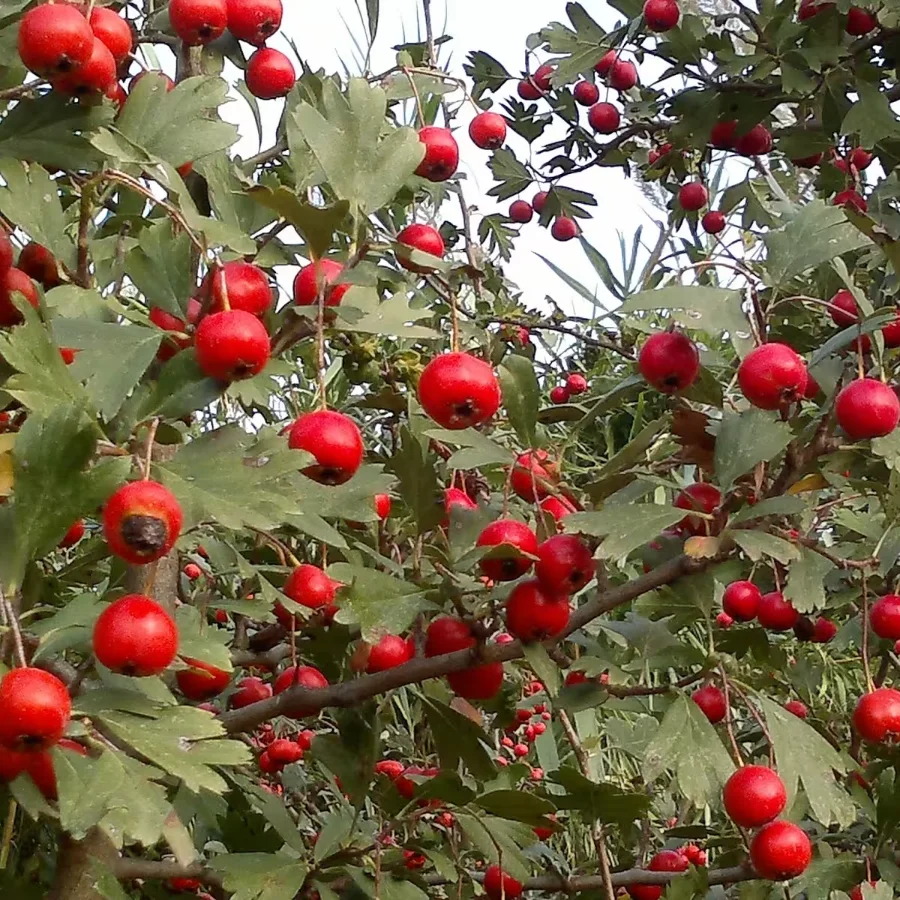
Azarole is a small, apple-like fruit with bright red skin and firm, juicy flesh, offering a sweet-tart flavor enjoyed fresh or in jams and preserves.
About Azarole
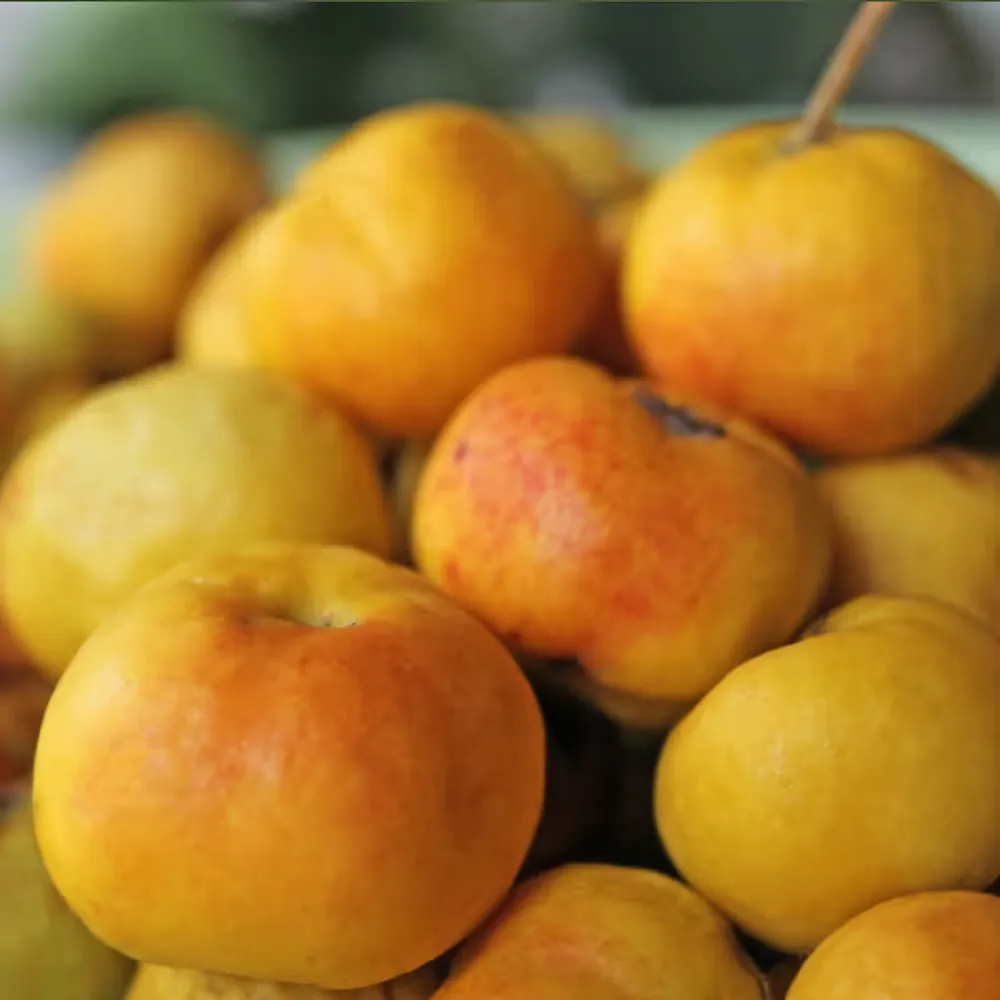
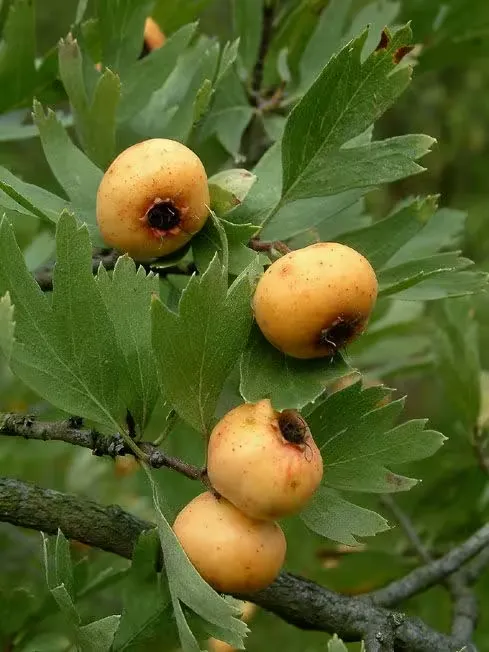
Azarole (Crataegus azarolus), also known as Mediterranean hawthorn, is a small fruit-bearing tree native to the Mediterranean region. The fruit resembles a tiny apple or crabapple, with smooth, glossy skin that ranges from bright red to orange-red when fully ripe. Inside, the flesh is firm, juicy, and mildly sweet with a subtle tartness that makes it versatile for both fresh consumption and culinary preparations. Azarole is highly valued for its nutritional benefits, providing vitamin C, antioxidants, and dietary fiber. The fruit is commonly eaten fresh, added to salads, or used to make jams, jellies, sauces, and preserves. Its firm texture allows it to hold up well during cooking, and its sweet-tart flavor complements both sweet and savory dishes. Traditional Mediterranean cultures have also used azarole for its medicinal properties, including supporting digestive health and cardiovascular wellness. The fruit typically ripens in late summer to early fall, with ripeness indicated by a bright, even color and slightly yielding flesh. While the small seeds inside are edible, they are usually removed before culinary use. Azarole trees are also appreciated for their ornamental value, with dense foliage, attractive flowers in spring, and clusters of vibrant fruits in late summer. Overall, Azarole is a versatile, nutritious, and flavorful fruit that combines a pleasing texture with a balanced sweet-tart taste. Its adaptability in cooking, ornamental beauty, and cultural significance make it a unique and valuable addition to fruit guides and specialty markets.
Gallery
Seasonality
Growing Regions
Categories
Characteristics
Scientific Name
Crataegus azarolus
Colour
Texture
Calories
61 per 100g
Taste Profile
Ripeness Indicators
Fruit is ripe when skin is bright red or orange-red and flesh yields slightly to gentle pressure.
Edible Parts
Flesh is edible; seeds are usually removed before consumption.
Related Fruits
American Chestnut
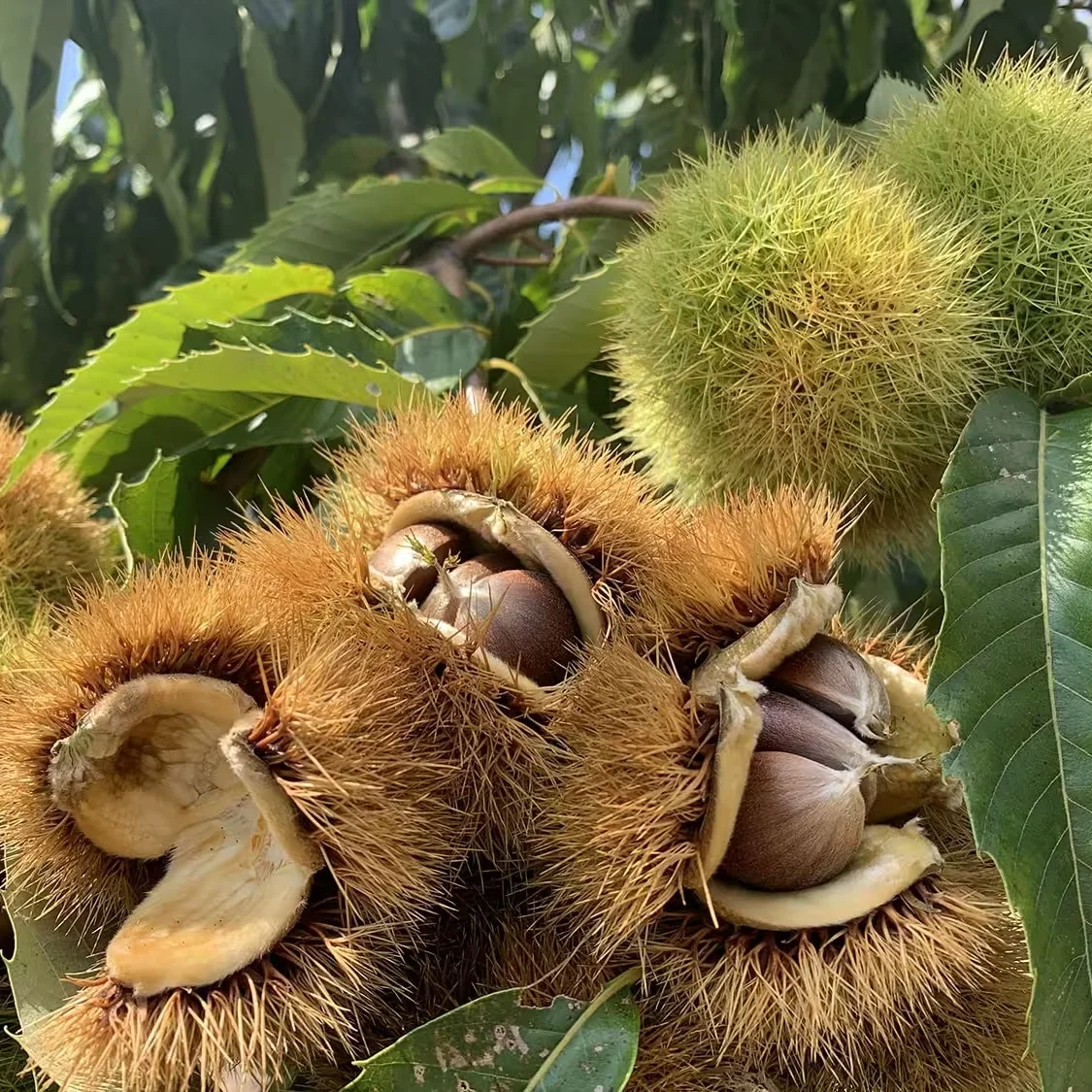
American Chestnut is a starchy, mildly sweet nut with smooth brown shell and tender, slightly crunchy flesh, prized for roasting and baking.
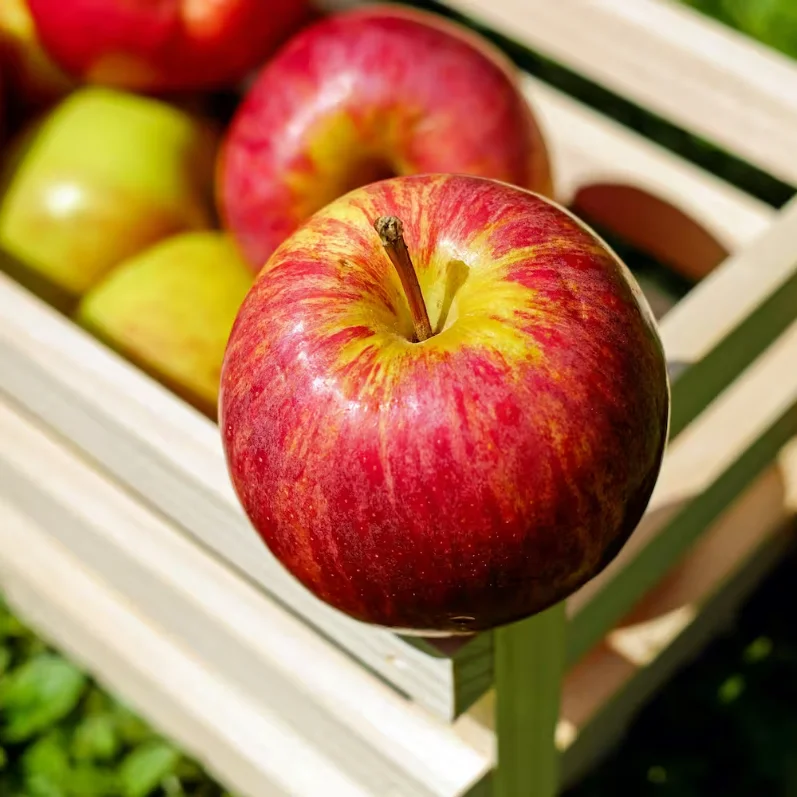
Apple
Apples, a popular and versatile fruit with crisp, juicy flesh. Apples come in sweet and tart varieties and are enjoyed fresh, cooked, or in beverages.
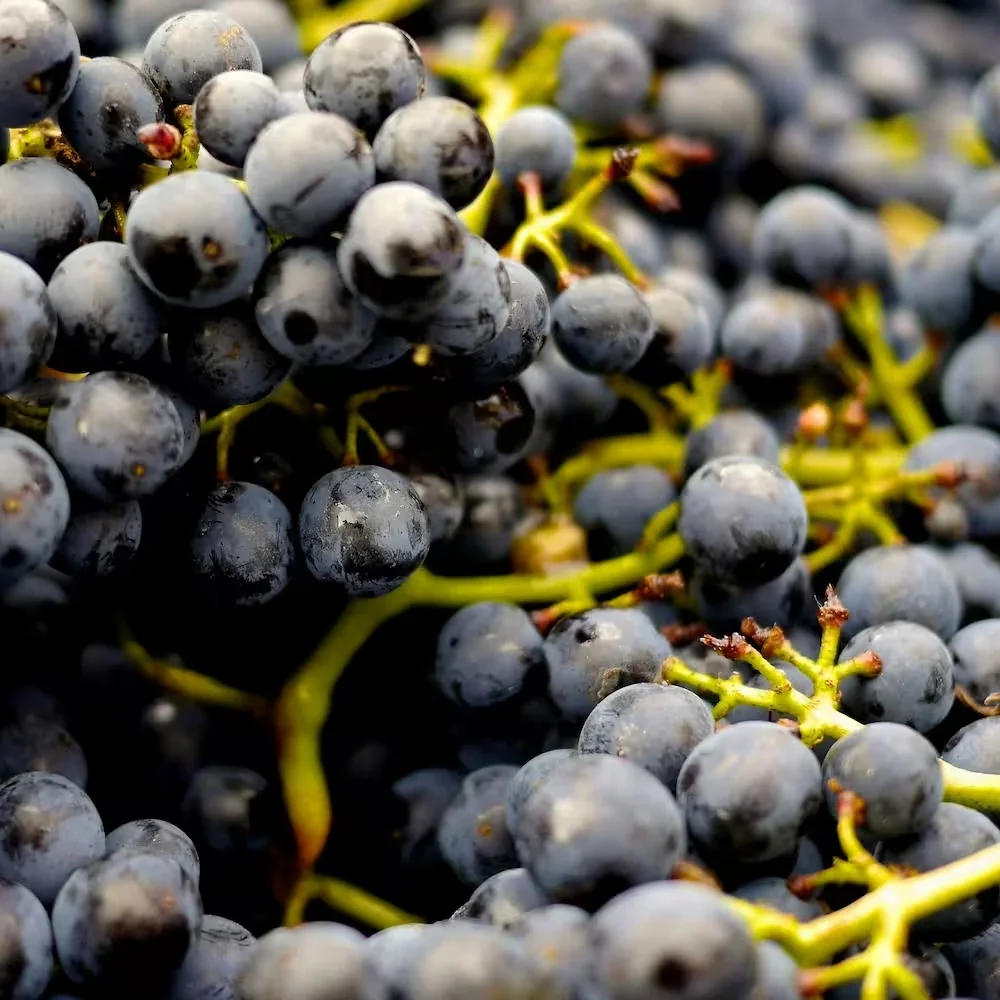
Black grapes
Black grapes are sweet, nutrient-rich fruits ideal for snacking, juicing, or wine-making, packed with antioxidants and natural flavor.