Figs
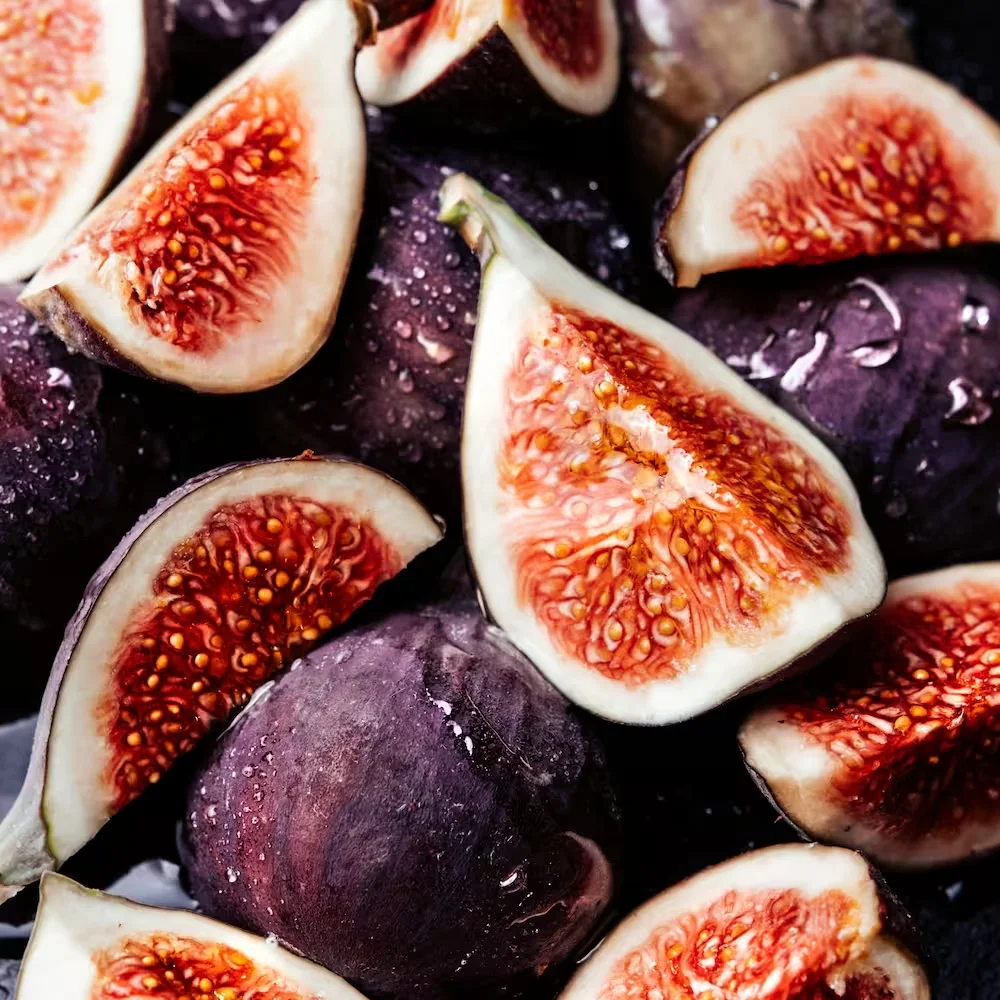
Fig is a soft, sweet fruit with chewy flesh and tiny seeds, enjoyed fresh or dried and valued for flavor, nutrition, and culinary versatility.
About Figs
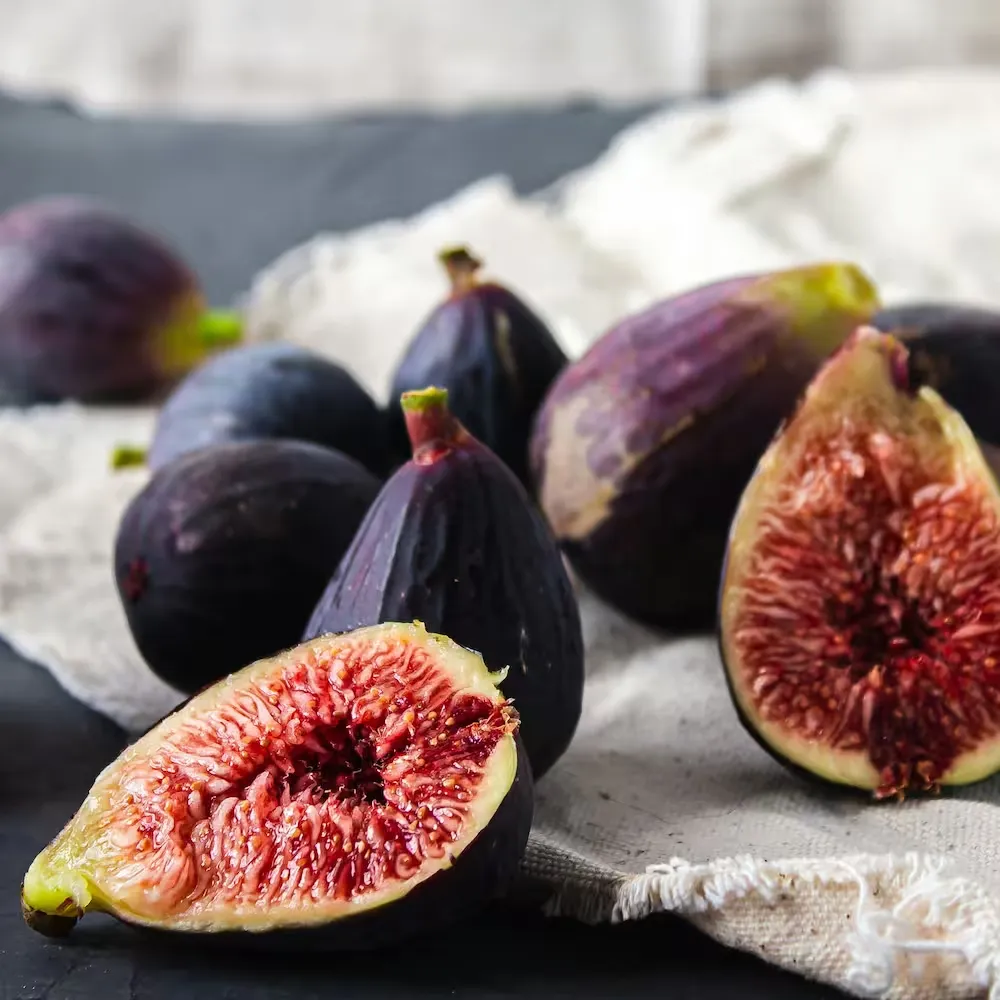
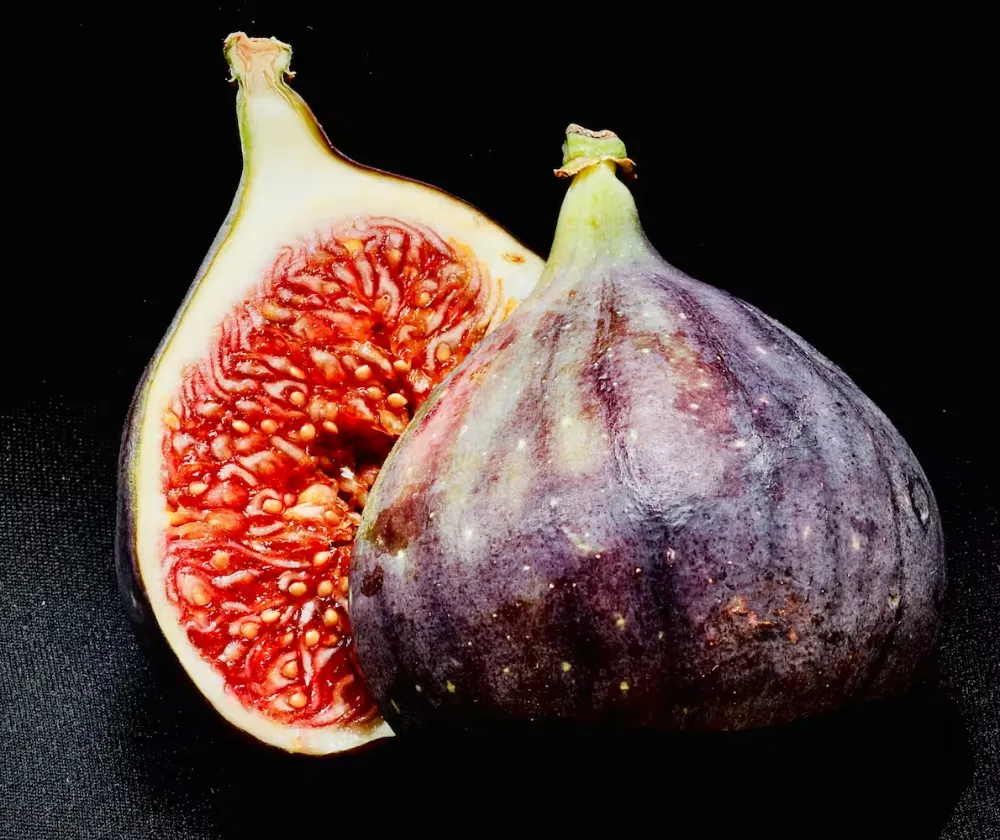
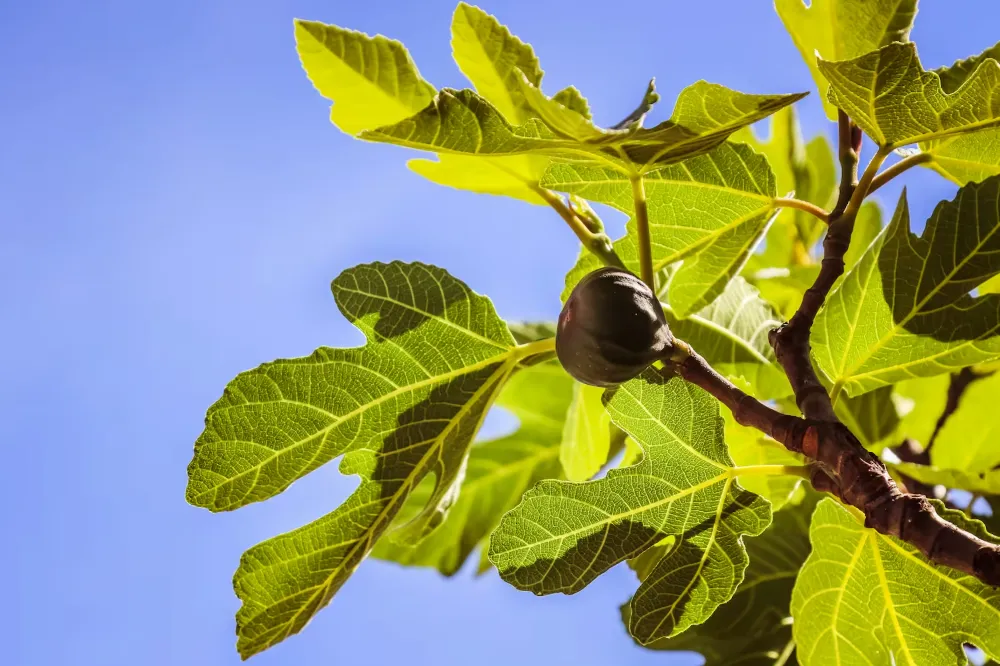
The fig (Ficus carica) is an ancient fruit with a rich history spanning thousands of years, cultivated across the Mediterranean, Middle East, and parts of Asia. Revered by many cultures for its unique sweetness, chewy texture, and symbolic significance, the fig remains a beloved fruit for both fresh consumption and dried use. Figs grow on small to medium-sized deciduous trees and produce pear-shaped or round fruits that range in color from light green to deep purple or black, depending on the variety. Figs are notable for their soft, luscious flesh, which is packed with tiny edible seeds that provide a gentle crunch. The flavor profile is predominantly sweet with subtle earthy undertones, sometimes carrying hints of berry or honey notes. Fresh figs are enjoyed raw in salads, paired with cheeses, or blended into desserts, while dried figs are a staple in baking, snack mixes, and preserves. The skin is edible but can be slightly chewy, and varieties differ in texture and sweetness, offering options for every palate. Nutritionally, figs are a source of dietary fiber, vitamins (particularly vitamin K and B-complex vitamins), minerals such as potassium, calcium, and magnesium, and antioxidants that support overall health. Their high fiber content aids digestion, while natural sugars provide energy, making figs both a satisfying and functional food. Figs thrive in warm, temperate climates with full sun and well-draining soil. Trees typically bear fruit in summer and early fall, although some varieties produce multiple crops per year. Ripeness is indicated by softening of the fruit, deepening of skin color, and a slightly fragrant aroma. Overripe figs may become overly soft or ferment, while underripe figs remain firm and less sweet. The edible parts include the fleshy interior and seeds; the skin can also be eaten. Figs are naturally versatile, enjoyed fresh, dried, or cooked, and remain one of the most iconic fruits in Mediterranean and tropical cuisines, celebrated for both taste and nutrition.
Gallery
Seasonality
Growing Regions
Categories
Characteristics
Scientific Name
Ficus carica
Colour
Texture
Calories
74 per 100g
Taste Profile
Ripeness Indicators
Soft to the touch, slight droop at the stem, deepened skin color, gentle fragrant aroma.
Edible Parts
Flesh, seeds, and skin; remove the stem before eating.
Related Fruits
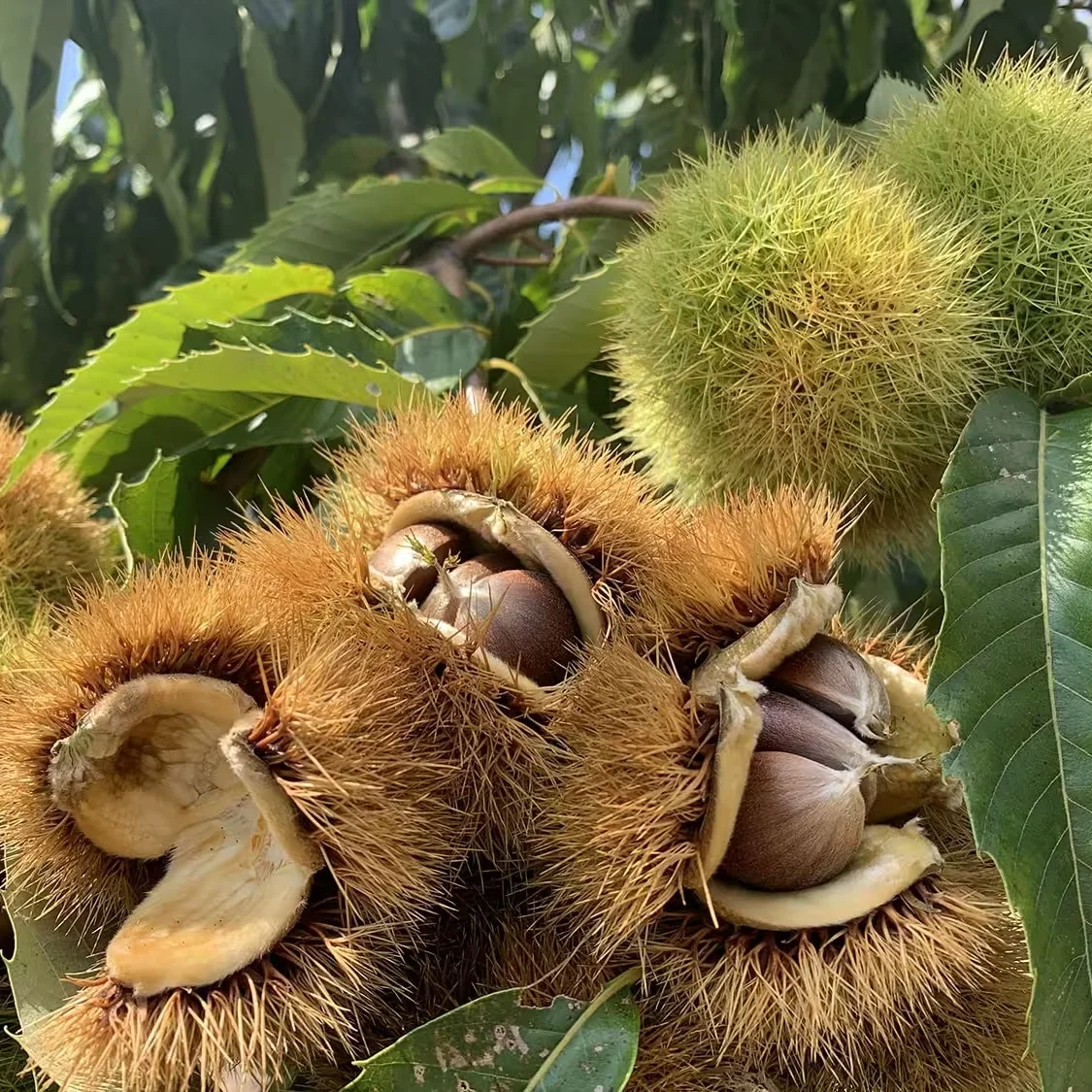
American Chestnut
American Chestnut is a starchy, mildly sweet nut with smooth brown shell and tender, slightly crunchy flesh, prized for roasting and baking.
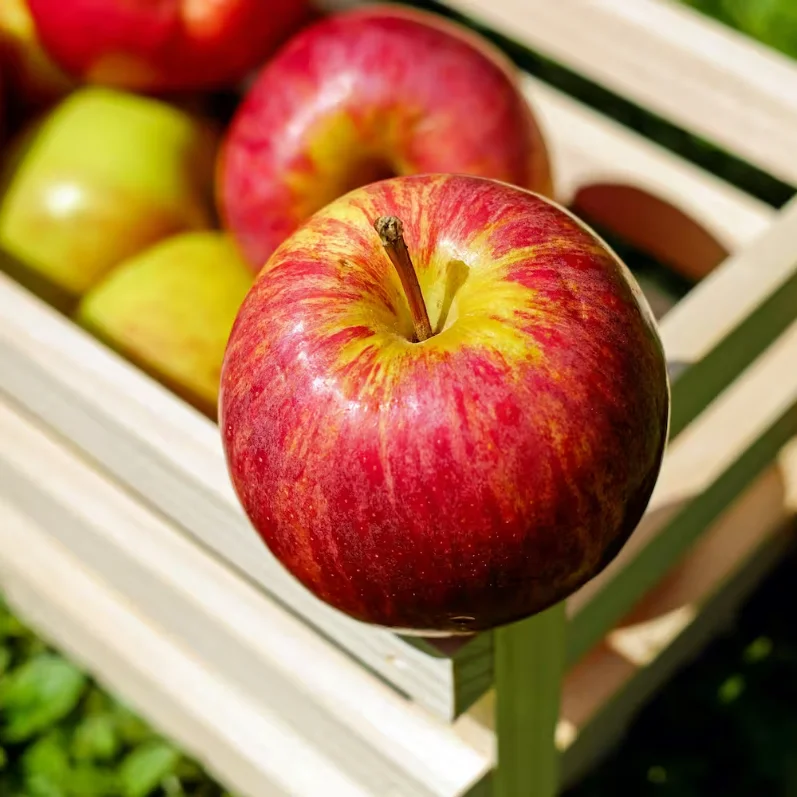
Apple
Apples, a popular and versatile fruit with crisp, juicy flesh. Apples come in sweet and tart varieties and are enjoyed fresh, cooked, or in beverages.
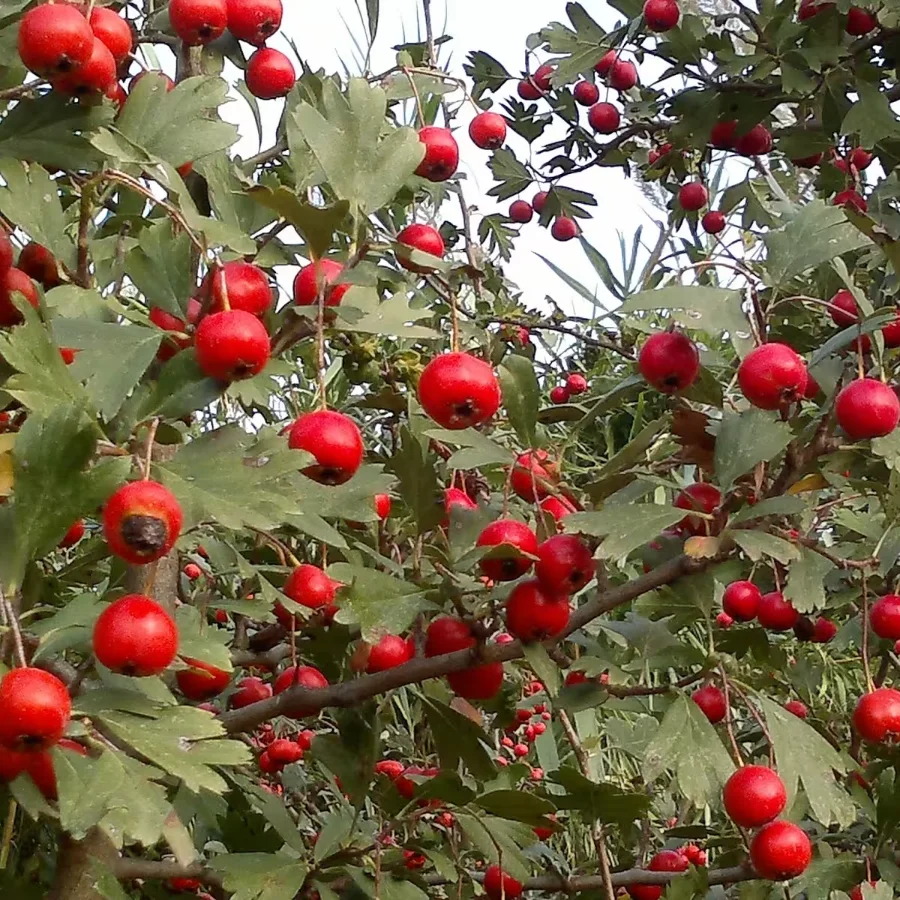
Azarole
Azarole is a small, apple-like fruit with bright red skin and firm, juicy flesh, offering a sweet-tart flavor enjoyed fresh or in jams and preserves.